Archives for category: Rock


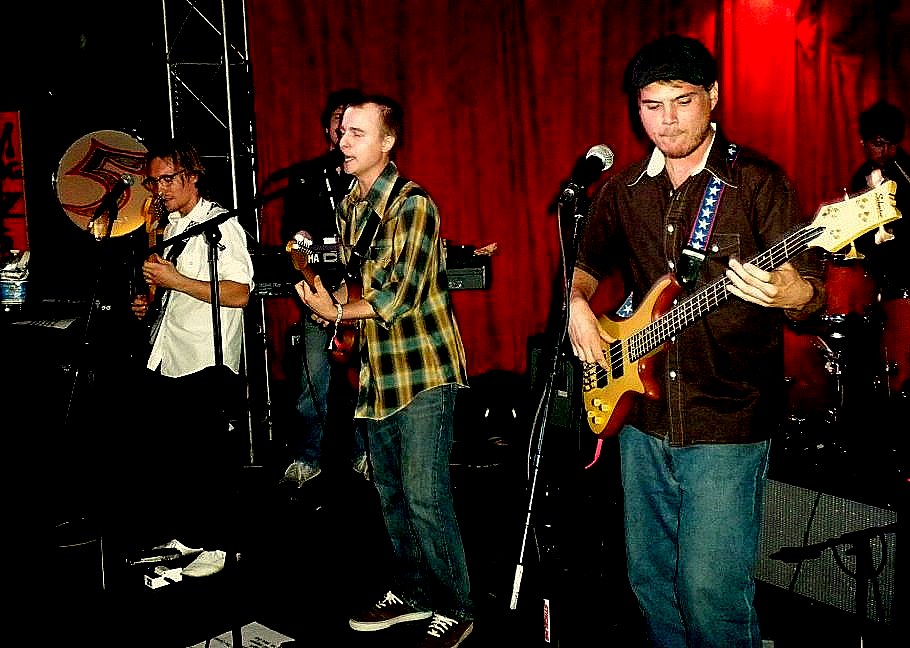
Modoc at The 5 Spot

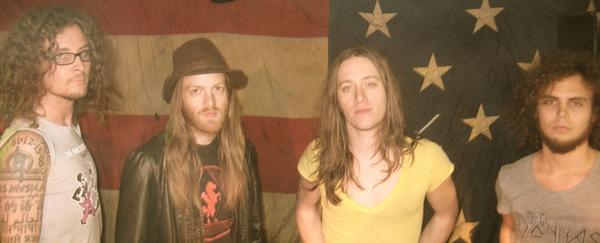
The easy beat was to just go hang out at The Mercy Lounge and The Cannery Ballroom with its upstairs/downstairs, if you get bored with one band go check out the other choices. I decided to go on DAY 2 of Next Big Nashville 2010 to one of my favorite nightlife scenes, The 5 Spot in East Nashville. Locals via Indiana, Modoc, were raging the stage with ol’ “Skydog”, Duane Allman, I mean Clint Culberson, hey, it was an honest mistake with the haircut, moustache and Gibson SG putting them through the paces of “The Struggler” and other great songs.

With a gritty sound and alternate chords, they are a comfortable fit in the Nashville scene after arriving three years ago. Next Big Nashville is different this year with almost half the bands being from out of state and even Japan.  The 5 Spot still featured a lot of Nashville scene makers.  Although, it was only a 5 minute drive from the center of town, it may as well have been in Birmingham. There were current fans and only a few conference attendees there to get sucked into the vibe.

The Deep Fried 5 were still celebrating the self released CD, Saturday Night Funk, Sunday Morning Soul, hitting the stage with six guys. The greatest thing about their retro 70’s-80’s funk style is that they are not a sampled artifact but have Dylan Stansberry beating the hell out of three Congas, Justin Martin on a Yamaha DX7, can we say Ready for the World?

The Deep Fried 5 /new material/six guys

Eric Koslosky alternating between Ernie Isley style lead guitar and vocals that would fit as an opener for Santana or Bell Biv Devoe for that matter. Andrew Muller kept the staccato single funk guitar lines letting Eric soar on the breaks and occasional lead roles.

This style of music demands a strong Bass interaction since many of the bands from that era were known for their strong players like Bootsy Collins or Larry Graham.  Alex Dilley felt comfortable being in that role which is a lot more demanding than traditional Rock. The Bass player is the lead guitarist.

Taking us through “Soul Food” they even did a “Soul Sacrifice” break with Congas and kit going through a quick jam that could have been a great longer break with some soloing on top. The Deep Fried 5 are doing a great archivist gig that would be comfortable on Brooklyn’s Daptone label.

– Brad Hardisty, Nashville, TN     thenashvillebridge@hotmail.com

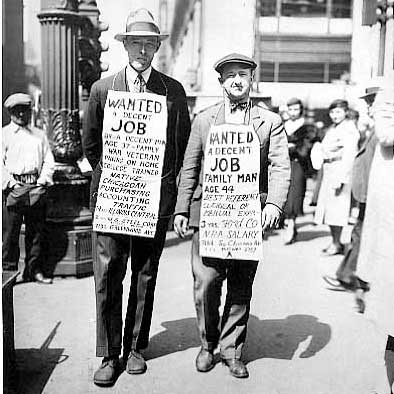
Welcome to the Depression, an honest portrait of the “Junky Star” by Ryan Bingham and The Dead Horses, a down and outer that could be any of us or somebody we know.  In fact, if I start counting all of the friends I have who are lost to drug addiction, prescription or otherwise or lost a job because their skill set is no longer needed, I could have wrote this story. 

While “The Weary Kind” won Ryan Bingham an Academy Award, recognition and new friends, he was preparing to release a bleak and beautiful effort of a wanderer leaving behind the hopeless junkies and lost jobs for the possibilities of California.

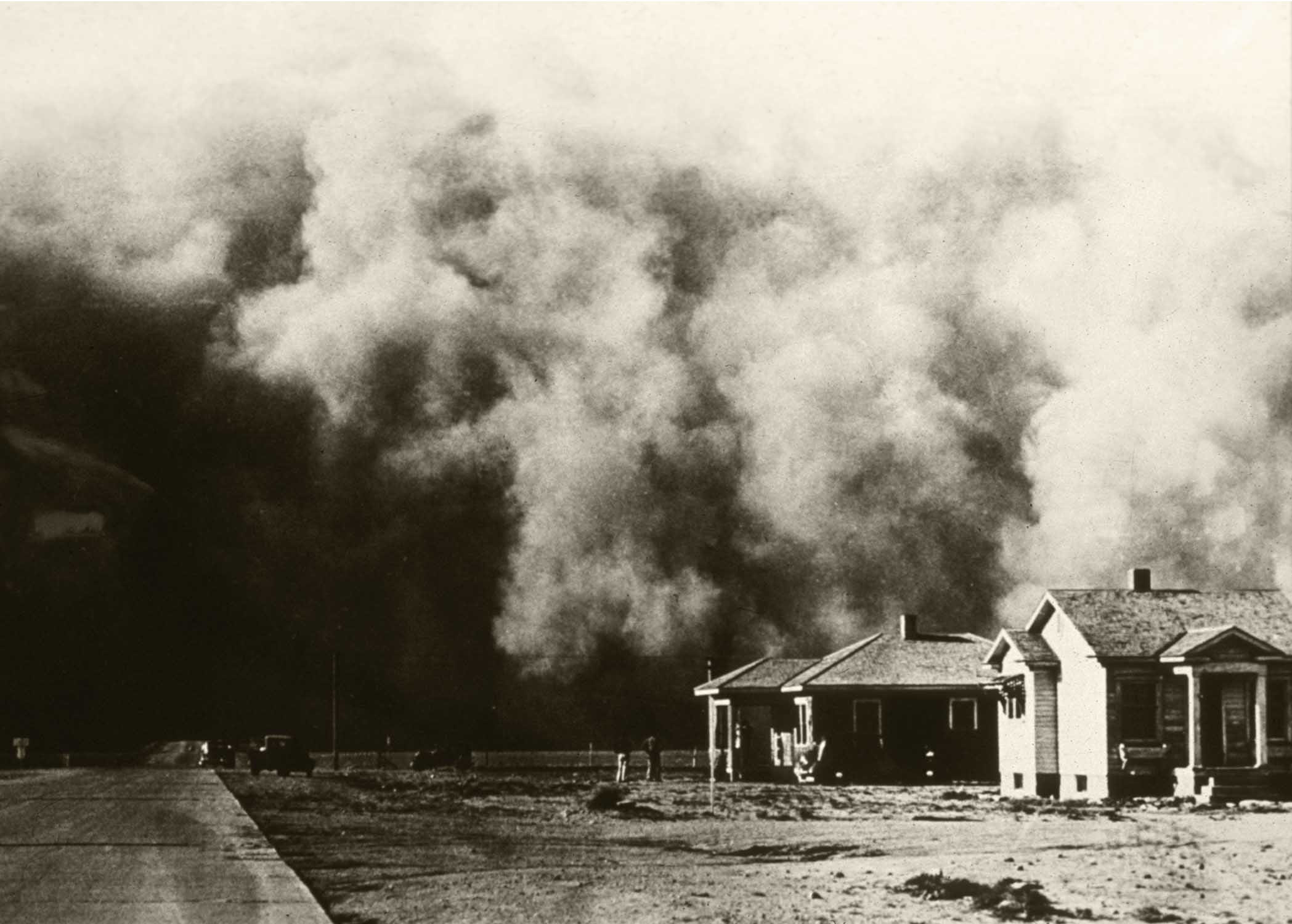
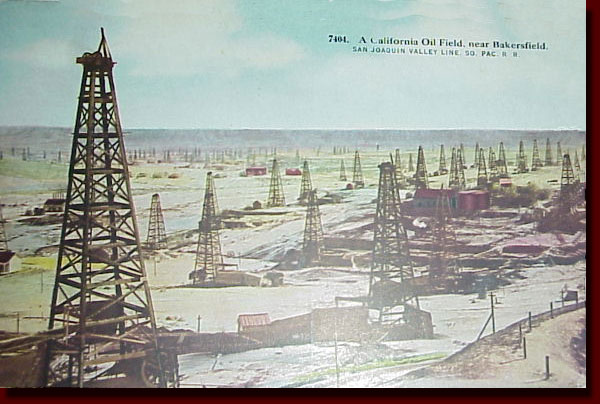
During the Great Depression and Dust Bowl days many who lost their land or livelihood left for California’s oil fields and Agriculture. It was a different place then. Merle Haggard’s parents were some of those souls who found happiness and work in the Central Valley in Oildale. If it was not the best paying work, it was steady and provided a way for the next generation to improve upon their simple means.
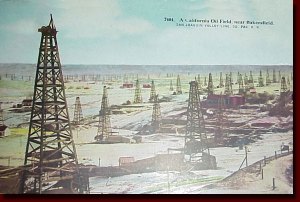
Oildale CA during theBoom

This time California itself is feeling the pressure of a busted housing boom, tech boom and any other kind of boom they had in the past.  As we set out “The Poet” writes “Sweethearts kiss in the dark, Homeless sleep in the park, I myself just move on through town…oh how I love the highway sun, the poet in the dark writes down his song in blood”.

As he travels the lonely road, the character in Ryan’s songs scribbles lyrics on found paper with a guitar on his back. In “The Wandering” he sings in a broken voice that is as distinctive as Bob Dylan “Disregard the time, find your peace of mind, among the wandering”.
The Doors

We are into track number three and he hasn’t yet sung about his goal to make it to California, “Strange Feelin’ in the Air” just shows an uncomfortable drifter “I’m feelin’ strange, in this town, I feel deranged, as I look around” with an echo to Jim Morrison and The Doors’ “People are strange when you’re a stranger, Faces look ugly when you’re alone”.

I’m beginning to realize I haven’t heard any band this empty since The Cowboy Junkies “Femme Fatale”; in fact this is almost like a Country Album made in Berlin (think “Walk on the Wildside, Lou Reed) by the love child of Bob Dylan and Kurt Cobain. The hooks are only implied but understood.

Finally in “Junky Star” lies the thesis of somebody taking away his farm so “I shot him dead and hung my head, and drove off in his car, so on the run with a smoking gun, I’m headin’ for the coast” only to find himself “sleepin on the Santa Monica Pier, with the junkies and the stars” and finds himself telling God “that the whole damn world was waiting around to die, but not me this time, I left trouble far behind”.

But the truth is you can’t leave trouble behind and this is the total opposite of Bob Dylan’s “Modern Times” where Bob was asked “why something so hopeful in such troubled times?”, he just shared that when you went back to films and music during the Depression and World War II things were always so bright and sunny as an opposite to what was going on and now Ryan no longer calls it just a Recession.

“Depression” makes it very clear “Would I wake up for a lifetime, lose my job in this Depression, well I don’t care, cause I got your love, in this Depression”. As long as he has the love of his life he can make it and let his strung out friends know “…we’ve gone out to California”.

“Junky Star” lets you know there is a Depression going on. The Depression has been getting deeper every year for musicians where the only hope is to make enough to stay out on the road and have enough to keep your apartment when you get back home. The music business started shrinking long before 2008. Whereas a classic album or a piece of Cotton Candy like NSync could sell six million or more, now we talk about a few mega stars going Platinum in a year.

Jobs have been taken from us by a “monkey puzzle” called a Computer and by companies finding cheaper labor overseas. We don’t even know how we can replace what has been taken away. We are only told to spend our way out of these bad times. There are records of people who spent themselves into comfort only to realize they played the fool and became slaves to their ease.

“Junky Star” gives way to another character mindlessly shot by a stranger, “I said you must be down on your luck, I’m out of money and I’m all out of time, he pulled the trigger and I fell to my knees, my spirit left and then my body went cold” the biggest thing the talking dead man worries about is his honey and let’s her know “I’m everything in between the harmonies singin loud, Hallelujah”.

These are the tough luck stories that happen maybe not to you or me but they happen to somebody. Ryan has decided to be the voice of the most difficult California stories one could imagine.

He shares his own thoughts about what we are becoming and in his own “John Lennon-Imagine” style, “there’s just no time for traditions, tying people down to class when everyone’s a shade of green that suffers in the grass of greed”. Maybe the problem is too many can be bought.

Dust Bowl Days

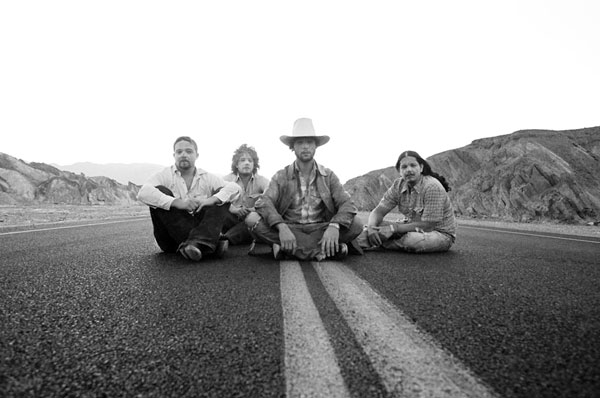
Dead Horses in the middle of the road

California seems to be the last hope even if only a change of location. In “Lay my Head on the Rail”, he sings”The head lights are blinding and the diesels are on fire, hauling ass down a mountain pass to the California state line”.

If you wonder what it feels like after a lifetime of wandering only to find yourself looking back, it is there in “Self-Righteous Wall” in the lyrics “I guess you just couldn’t keep up with the wild horse that you stole, you set yourself on the back steps and you feel yourself growin old, you feel your gray hairs runnin back to a place you left so cold”.

I guess the path is over when you find yourself only looking back.

“Junky Star” is a thematic piece told in first person that never strays from the concept from start to finish. The Who almost did that with “Tommy” except they threw a curve ball in with “Pinball Wizard” for Rock Music Journalist Nik Cohn  in hopes of a great review. The 1960’s were a different time, back then that little difference might be enough to get a radio hit.

Nowadays, recordings might as well be something that means a lot to the writer, in hopes that the listener can find something he can relate to.  If there was a “Tommy” written about the down and out “in this Depression”, Ryan has done it.

Village Recorder mural

It’s quite the paradox that this was recorded at The Village Recorder just one block off Santa Monica Boulevard with its mural of California falling into the ocean.  There are so many huge albums that were done there such as Steely Dan “Aja” and Joe’s Garage by Frank Zappa. This album will at the very least be the Big Star #1 Record of modern Americana.  While this may be a gut wrenching piece of work, I don’t remember anything but great times at The Village Recorder back in late 1989-1990 listening to a mix with Producer Howard Benson or talking about the problems of getting tape for those crazy Akai recorders with Jeff “Skunk” Baxter. In fact I can see myself walking a couple of blocks over to pick up some new guitar strings at West LA Music.  While I am at it, let’s go up another block and get one of those real Carne Asada Burritos.

The Liner notes and the accompanying booklet discards anything unimportant such as who wrote the song, who the publisher is or what performing rights organization is involved. The focus is on the music; even T Bone Burnett lists more credits than the band.  Instead of letting you know what brand of strings Corby Schaub uses or thanking some local music store or fan club the special thanks goes out to “Our Family of Friends who have helped make this all possible”. I was not even familiar with Mastering Engineer Gavin Lurssen, but I am now. There is no annoying distortion by trying to make the CD “louder”. I perceive undebatable warm clean Mastering.

Last stop California!

T Bone Burnett has yet again produced a project that will no doubt be in my top ten for the year. This isn’t an album you would want to listen to when you are in the middle of the tech boom but the American Dream is on the verge of disappearing in these stories of the down trodden that hope to turn a  corner by going to California. If you get to California and find out that the struggle is even harder than the one you left behind, then all there is left to do is go back and face problems head on.

– Brad Hardisty, Nashville, TN      thenashvillebridge@hotmail.com

Justin Townes Earle mixes up the JTE sound, yet again, remaking his trademark with the help of Jason Isbell on this tribute to New York with “Harlem River Blues” and the metaphoric lines “Lord, I’m goin’ up town to the Harlem River to drown, Dirty water going to cover me over and I’m not going to make a sound,…troubled days are behind me now and I know they are going to let me in.” In a gospel sing a long Justin starts a song cycle about his other hometown.

New York now has its own album full of Country blues flavored Americana. It continues with true JTE style on the second track “One More Night in Brooklyn” similar to the breakdown of slower material from “The Good Life”.

Before continuing the ode to New York, “Move over Mama” with its straight up Rockabilly is my personal favorite.  The driving upright Bass of Bryn Davies and “Get Back-Billy Preston” style electric piano, paces at the same rate as the classic “Move it on Over” with the change up of “Mama you been sleepin’ in the middle of the bed too long”, it is a great response to that old Hank Williams classic, “Move it on over, cause this big old dog is moving in”. Clocking in at two minutes, “Move over Mama” would be a great 45 vinyl in the jukebox alongside some classic Sun Records.

“Workin’ for the MTA” is a train song for a “its cold in them tunnels today” Subway Train worker. I don’t know if there ever has been a train song about the subway, but, this is a story of a second generation “son of a railroad man from south Louisiann’”. He is able to make the connection between his Dad and the trains but “this ain’t my Daddy’s train, I ain’t seen the sun for days.” It references the current hard times but he is working and “banking on the MTA”.

It could have been easy to find a muse in Tennessee or Mississippi, but, this is New York City. He is now a full time resident of the Big Apple along with other artists such as Punch Brothers. I haven’t been up there lately, but, maybe there is kind of a folk resurgence going on like in the days of early Bob Dylan that followed through with songwriters like Simon and Garfunkel.

There is enough Blues; Muscle Shoals horns with Jason Isbell’s stand out guitar track “Slippin’ and Slidin’” followed by the next stand out track “Christchurch Woman”.  “Christchurch Woman” is a great lead in from the previous album “Midnight at The Movies”, in fact it could be a B-side “when I feel this blue, I just need somebody laughin’ at my jokes”. I guess a Christchurch Woman is easy going. In the end he says he will probably get sick of her.

The Good Life

If you are looking for a mix that sits either like “The Good Life” or “Midnight at The Movies” forget it. While the instrumentation sounds similar with the addition of some distorted licks  by Jason Isbell, he even goes to mixing his voice a little thinner on the frequencies with a little delay or echo like early sixties Nashville West-Bakersfield out of Capitol Records ala Buck Owens.

The Yuma Era

 It is interesting there are fans who only swear by his self-released “Yuma” waiting for Justin to do that one again. Okay, I admit I am with the ones that stand by “The Good Life” as the best yet, but, there is enough “Good Life” such as “Ain’t Waitin’” in this album to keep me happy, without needing to return to that masterpiece. Justin has developed his own sound, style and presentation that draws just enough on the past masters such as evoking Jackson Browne on “Rogers Park” to show a strong songwriter lineage.

He is a workaholic with a string of four records in four years. It looks like Jack White has met his equal for not only amount of output in a short period but creative ability. In much the same way as Songwriters and Recording Artists worked in the Fifties and Sixties before the advent of Fleetwood Mac “Rumours” and Def Leppard “Hysteria”, it is going back to being about the music and not bombastic production.

In a comparison, The White Stripes as a two piece band were able to keep moving, keep the production overhead low while spreading the show around the country and Justin was able to travel light with just a notebook full of songs and a sideman when he travelled opening up for Jason Isbell and The 400 Unit last year in support of “Midnight at The Movies”. He could have been out with a full band, but it kept him from eating bologna sandwiches every night as an opening act.

Live at The State Room, Salt Lake City, UT, spring 2009

Jason’s music is strong enough that he can do it with a full band or as a Troubadour like when I saw him at The State Room in Salt Lake City in mid 2009. Enough people showed up for his opening slot and crowded the front of the stage to catch the vibe and check out his unique finger style on the guitar.

I don’t think he will be able to go out much more by himself unless it is an in-store appearance at Grimey’s or something similar.  Justin has three Bloodshot albums in three years, enough material where some fans are going to be upset because he didn’t play the song they wanted to hear. The closest thing I have seen to a full band was about the time of the release of “The Good Life” at The Basement when he had a couple of others playing fiddle and mandolin.

Ramones

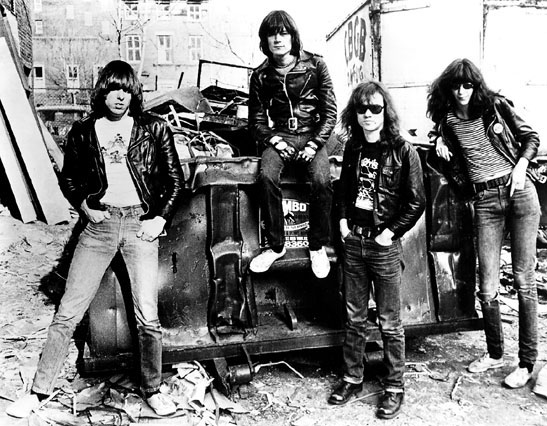
I did get a chance to meet him back in the beginning of 2008. I just thought it was great that something like “The Good Life” was out there and Nashville had gotten behind him.  A lot of music has been recorded since then. For some, that would be a careers worth, for others, like The Ramones, he is just getting started.

– Brad Hardisty, Nashville, TN      thenashvillebridge@hotmail.com

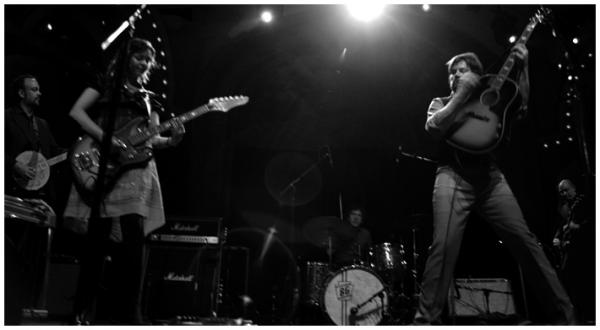
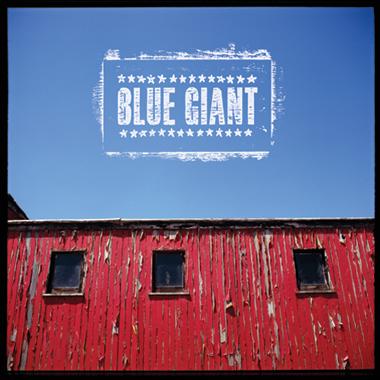
Blue Giant , out on support of their new release on Vanguard Records, opened it up, wide open at about 10Pm Saturday night at The Basement in Nashville. Kevin and Anita Robinson who also are Viva Voce  and The full 5 piece band which is an all star band as far as the Portland Scene goes cranked it up quickly. 

Anita is a fantastic guitarist who makes full use of her sonic range on a Fender Jazzmaster and Red, White and Blue screened Fender Amp. Her ability at both feedback and lead lines is sublime. They are now on tour in support of Bobby Bare Jr., a little departure from the Viva Voce days playing on dates with The Shins. Viva Voce, Anita and Kevin, have made their home in Portland, Oregon in the alternative market of The Dandy Warhols and The Decemberists.

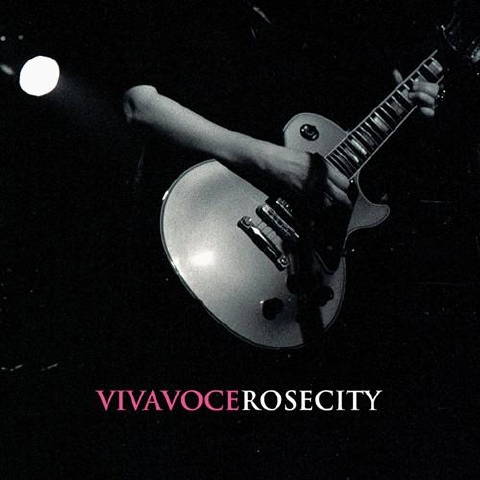
In an interesting turn of events, Kevin and Anita started the new project back a couple of years ago and self released in true indie fashion a vinyl EP as well as CD last year at the same time Viva Voce’ “Rose City” was released and Blue Giant was picked up by an eclectic label, Vanguard Records that may be considered more Folk and Americana than the Indie Rock past of Kevin and Anita.

They jumped into a set with long time drummer,Evan Railton as well  as current members W.C. Beck and Jesse Bates. The interplay was cool between Anita on Guitar and the utility guy with The El Camino College Shirt. She was able to go from lead line to sonic landscape ala Sonic Youth with Pedal Steel, Mountain Dulcimer or Mandolin to round out Country, Southern and the for the most part Cosmic Cowboy music accessible by some of the older folks there to see Bobby Bare Jr. as well as the East Nashville experimenters.

Kevin had a few call outs since he was back in Nashville that were both reflective “It was dark days when I lived here before” to the current mood “it’s great to see family, old friends and new friends out here tonight”.

New Vanguard Records Release

Anita gave a shout out to family who probably travelled up from Alabama. It seemed that the farther they got into the set the more the music became comfortable and strong. It was like I would have liked to hear the first three songs again at the end to see if they could have been even more there.

Before they announced the last three songs they took a lineup that featured Kevin on Banjo, El Camino College guy (from Arkansas) on Mandolin, Bass, Drums and featured Anita on her long time Viva Voce companion, a 3/4 scale Rickenbacker black and white that absolutely sounded killer as she played slide the rest of the evening.

Kevin and Anita, Viva Voce days

I got a chance to talk with Kevin afterwards and he said this was the best time he had in Nashville in a long time. I talked to him about how things had changed in Nashville, things are a little bit more wide open.

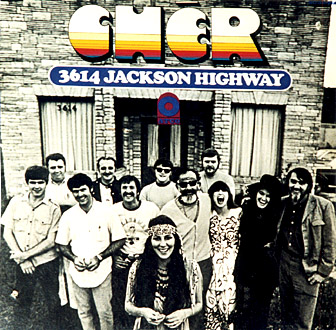
 He is  from Muscle Shoals, Alabama  an important chapter for not only Lynyrd Skynyrd, but also Bob SeegerThe Rolling StonesBob Dylan and even Cher. He did know one of the Muscle Shoals Rythmn Section, David Hood. They had to be back on as they were hired to be Bobby Bare Jr.’s backing band on this tour. 

In talking to Anita I found out she was from Decatur, Alabama. That is a double plus for me since I consider Birmingham, Alabama my other hometown outside of growing up in California. I talked to her about Vanguard, how they had also signed Mindy Smith, one of the greatest current Singer/Songwriters from Nashville. 

She said the label picnics were unbelievable when you think of the other Artists currently on Vanguard, especially Merle Haggard, Levon Helm and even Indigenous.  They are definitely in good company and their album dropped at a good time. In a way, Blue Giant is full circle, it allows them to not only throw in some of the sonic qualities of Viva Voce but also take from the past, the things they grew up on. In a way it is another band that makes the statement that Graham Parsons was right, Southern and Country Music can be opened up and the possibilities are endless.

– Brad Hardisty, Nashville, TN      thenashvillebridge@hotmail.com
Okay, after reading about the 180 degree turn taken by Robert Plant from the anticipated follow up of “Raising Sand”, I was a little anxious to listen and look at what was wrought in East Nashville these last few months by Mr. Plant at the venerable Woodland Studios.  The studio where Bob Dylan recorded “Nashville Skyline” is now privately owned by musical artists David Rawlings (The Dave Rawlings Machine) and Gillian Welch.

As I opened up the CD, it reminded me of Buddy and Julie Miller’s “Written in Chalk” that turned a CD booklet into a little hard back book with a good 30 minutes worth of reading and photos to help guide you into the world created in Miller’s living room.

The design in this case was by Robert Plant with a look of crinkled muted blue pages and an illustrated clown that looked like something out of Ringling Brother’s Circus circa 1900.  The booklet features easy to read lyrics of songs by Los Lobos, Richard Thompson, and Townes Van Zandt with a little Uncle Dave Macon to go.

Robert Plant & Buddy Miller

Buddy Miller brought the house band together from some of the finest in Nashville featuring vocalist Patty Griffin and multi instrumentalist Darrell Scott who played the role of David Lindley on this sublime outing. If anyone were looking for a mirror reflection to the past, it would be found in guest vocalist, Bekka Bramlett who is featured on tracks one and two. If pinged back almost 30 years, you would find her mother

Backstage with Bonnie, Alabama Theater, 2007

 Bonnie Bramlett recording as Delaney and Bonnie in Muscle Shoals, Alabama with guitarist Eric Clapton in the early Seventies. Eric Clapton, as you probably know, shared the same slot Jimmy Page eventually did in The Yardbirds.

So if you look at it this way, “Band of Joy” which was named in honor of the band Robert and future Led Zeppelin drummer John Bonham played in before the storm is in a way a Hebraic chiasm. The CD encompasses in the end what was in the beginning.  A Hebraic Chiasm reinforces the truth of a doctrine by repeating the doctrine at the end of the verse in reverse much like a mirror reflection. It can be found all over the Old Testament and it can be found in the song choices of this CD.

Darrell Scott

Robert starts the CD with the song “Angel Dance” written by Los Lobos’ David Hidalgo and Louis Perez which lovingly refers to children as angels among the daily chaos, “Tomorrow will bring us a brand new day, We can run and play”, while at the end of the CD comes “Satan Your Kingdom Must Come Down” a traditional black hymn where Robert sings with banjo to the front and Patty Griffin on Backing vocals “I’m gonna shout ‘til they tear your kingdom down, Shout ‘til they tear your kingdom down, I heard the voice of Jesus Christ say, Satan your kingdom must come down”, finally ending the album with a plaintive start of Robert’s voice and a John Bonham type groove snare drum on Theodore Tilton’s “Even This Shall Pass Away” with the final lines comes a hint of the eternal truth, “Life is done so what is death?, Then in answer to the king, Fell a sunbeam on his ring, Blinding light through fading grey: Even this shall pass away.”

Patty Griffin

As a setup to Act 3, Robert obviously brings out a little Tom Petty with a beautiful duet featuring Patty Griffin on Townes Van Zandt’s “Harm’s Swift Way” in the reflecting lines “Time will go it never stays, Memory locked in her passing, Try, oh try to cling to her, Until she becomes everlasting.”

In the middle of all this Robert spoke about wanting to not only bring about the jam sound of the original Band of Joy but also the mood of Led Zeppelin III that featured “Tangerine”.  You don’t have to go any further than tracks two and three. The Zeppelin groove is there on “House of Cards” and the Robert Plant and Buddy Miller penned obvious ode to Led Zep III, “Central Two-O-Nine”.

Don’t get too comfortable, the next song may be a compass that leads Bono and U2 to Nashville for the next release after the disconnect of their previous outing. “Silver Rider” while reminding me of Englishman Terry Reid starts out sonically something akin to The Edge playing through one of T Bone Burnett’s old amps with worn out tubes and capacitors and rust smoothing out the long delay follow. Robert’s hushed duet style with Patty Griffin is the closest track vocally to “Raising Sand” on the disc but sung over a “U2-American scenic highway” stretch. Robert has found more sweet spots in his vocal range and style the last couple of years.

Okay, next up is definitely a tribute to The Beatles with a fairly unknown song by Billy and Bobby Babineaux titled “You Can’t Buy My Love” written as a response to “Can’t Buy Me Love”. That type of response song was common in Blues and Country up till about the mid 60’s.

Rather than move forward time wise, Robert stays in the mid 60’s and brings it back to Tennessee with the absolutely crossed Memphis Soul and Nashville Pedal Steel with a Gospel Quartet on “Falling in Love Again” that would make Elvis and The Stamps proud. I don’t really know if there ever was a song quite done this way with such a perfect half way point on I-40 between Nashville and Memphis. I know that if Elvis could hear it, he would be proud. I would say this is the most unique blend since Otis Redding and Duane Allman’s all-nighter at Muscle Shoals Sound that ended up with a complete retake on “Hey Jude” that beget Southern Rock.

If Randy Travis sang “The Only Sound That Matters” it would be on Country radio coast to coast but Plant makes it his own realizing that “Americana Music” means be yourself and it doesn’t hurt to be different in a genre that is what San Francisco was in the Sixties with its mix of Folk, Blues and just throw in some Graham Parsons for Cosmic Cowboy sake.

Robert pulls back towards the trance rock he was doing before Allison Krauss with the”  Tomorrow Never Knows” bloom of “Monkey”. It can be said that Robert was doing an album in Nashville without trying to be controlled by Americana’s boundaries or worrying if every track would fit in a corporately controlled radio structure. This is a low decibel duet with Patty Griffin over the non machine groove of real musicians sharing a communal vibe.

Uncle Dave Macon

Before ending the song cycle, Robert digs way back to the origins of Americana and dusts off Uncle Dave Macon’s “Cindy, I’ll Marry You Someday”. There is an added twist with the line “Come all the way from England, to steal your pretty hand”, somehow Robert is now in the traditional Appalachian tune with its roots in Scottish pub music, an Englishman would definitely be an outsider. This is a sparser offering instead of the drive and clogging codas from those early 78’s.

There is enough Led Zeppelin, Trance, Cosmic Cowboy and Americana for anybody to dig in and find something tasty. Just like the restaurants in Nashville that range from good Southern Fried Chicken and corn bread, to regional “Hot Chicken” and the Indian and Egyptian Buffets that form the melting pot of not only Nashville in 2010 but also this fine album that will be a shot heard around the world. You can do anything in Nashville. If you have lost your Mojo, try the capital of not only Country Music but songwriting and publishing, Music City.  Nashville is a vast mine of gems and Robert Plant has brought forth a well worn diamond with his co-pilot Buddy Miller and the rest of the crew in East Nashville.

– Brad Hardisty, Nashville, TN      thenashvillebridge@hotmail.com

September 9, 2010, Nashville, TN, The Ryman Auditorium

Courtyard Hounds in the Alley

Just as Robert Plant was finishing up his surprise guest slot at The Americana Music Association Awards Show, former Dixie Chicks, as of late, Courtyard Hounds, Martie Maguire and Emily Robinson were emptying out the famed side door of The Ryman, signing autographs and taking pictures with a few of the media and locals that wandered down the beer light lit alley where John Ritter played as a boy while his father, Tex Ritter would be performing in the Mother Church, the home of The Grand Ole Opry.

Brad with Martie Maguire

I asked Martie if they were the surprise guests being talked about and she said “Nope, it was Robert Plant”. After which, I let her know that we had a general consensus that is who it would be. Yes, every time the stage door would open to the back door at the top of the stairs, there was no mistaking the voice of the Golden God.

It appears this could be a big turning point for the Americana Scene as it increases the sheer volume of styles and talent. WSM 650, “The Legend” will not only play the “Americana Files” on AM radio but will stream a 24/7 Americana Channel starting next week.  It is amazing that a radio station that was there in the beginning is leading the way into the future.

Peter Buck (REM), Brad

Other performers and presenters began streaming out after Robert Plant had finished his Buddy Miller lead set. Peter Buck stopped briefly on the misty asphalt for a couple of pictures. It seemed that Artists from Country and Nashville understood what the side door of The Ryman meant. It was where Elvis, Bill Monroe, Lefty Frizell and others used to disappear into the backdoor of Tootsies and other Lower Broad watering holes back in the day after performing before sold out crowds. It has been a place where a few fans would chance to meet the Entertainers from the Saturday night airwaves.

Lucinda Williams slowly made it down the stairs, appearing to be a little exhausted, maybe a little travel weary. Lucinda made time to talk, sign, take pics and hang out with the few of us who had gathered to greet them in the late dewy air of The Ryman.  Lucinda was Indie before there was “Americana” helping to define the genre by being fiercely independent in her songwriting and delivery.

Lucinda Williams at The Ryman, Brad

Lucinda expressed concern about what was going on in the Country, she felt she had never been this concerned before. We discussed the Pastor who was planning on having a Koran burning on 9/11. Lucinda was relieved to find out he wasn’t going through with it.

A few more people came through the alley and lined up about 4 or 5 long with a man in a fresh clean promotional shirt of some new upcoming Country Artist at the very end. He waited patiently as he approached Lucinda with a piece of paper he found to get her autograph.  He had a big smile on his face. A little luck had come his way this time as he walked the back alley.

He could have been a homeless man or a local African-American maybe from the Southside. Who knows but he is a part of the Carnival feel that attracts even those with not much to hang down on Lower Broad.

He politely asked for her autograph and shared some words with her. As he wandered west towards Tootsies, Lucinda was a little reflective and teary eyed. She said “Excuse me” as she tried to regain her composure. Lucinda lived in Nashville for nine years and I am sure some things still have not changed. I just said, “he kind of touched you didn’t he?”  She responded, “He probably wasn’t even at the show, if I had known, somehow, you know I would have gotten him in somehow… his name was Perry”. 

She was very reflective for a moment. I said “You never know.  There may be a song in that”. Her Manager said, “There can always be a song in something”.  Lucinda noted “You know it’s one of those things where what if Jesus was somebody in the crowd that nobody paid any attention to”.  We all seemed to think about it for a moment. Lucinda shared a little of her thoughts and some “Real Love“.  What a big heart.

I said, “You ought to move back to Nashville.” Lucinda just came back, “Too many cloudy days, I need sunshine”. Well, it has been cloudy this week but then again they always say “It Never Rains in Southern California ”.

Corb Lund, Hayes Carll, Lucinda, Hayes' Parents

As she left, a few others streamed out. We soon found out Robert Plant decided to make a rock star escape out one of the other doors after security had cleared the quad and he jumped into a waiting Hummer. Not quite the “rub shoulders with Country fans” type of thing, but, hey, he is a famous person who values his privacy.

As I was getting ready to leave for the next big show, Lucinda’s new friend came wandering down the alley again. I smiled at him “Hey Perry how’s it goin?” He stopped and smiled and said “How do you know my name?” I said “ Lucinda told me.  You made a big impression on her”.

Perry smiled and said “it’s not every day you get to meet somebody famous”. He put his hand on my shoulder for a minute and smiled at me. It was there that I realized what Lucinda saw. The eyes don’t lie. He had a smile that penetrated your soul.  He was as common as anybody down at the Mission with a couple of missing teeth, but, he had that “One of Gods Children” vibe that only a person with a pure soul could have.  As he backed away, he stared at the Press badge with my name on it for a minute and strolled down the same path he was on before. In God’s hands.

– Brad Hardisty, Nashville, TN      thenashvillebridge@hotmail.com

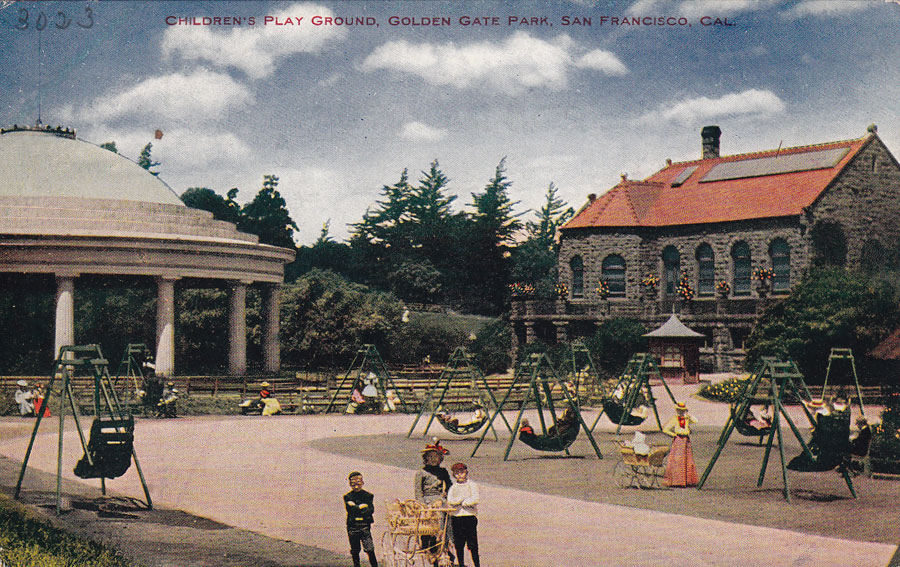
Golden Gate Park Pavillion 100 years ago

When I was 8 or 9 years old, I spent a lot of time with my cousins in the Bay Area near San Francisco. One of our favorite things to do was to go into San Francisco and hang out at Golden Gate Park. Maybe play three flies up or throw a Frisbee.

It was the late 60’s and the Hippies loved Golden Gate Park too. I was just a kid that watched Beverly Hillbillies after school, but, I was also listening to bands like Cream and Jimi Hendrix on the radio. One of our favorite areas of the park was where the Merry-Go-Round was under a big pavillion. There was stuff to climb on, old Jungle Gyms and outdoor gymnasium things like the metal rings and stuff to wear out any hyper-active 8 year old.

Hippie Hill 1967 Golden Gate Park

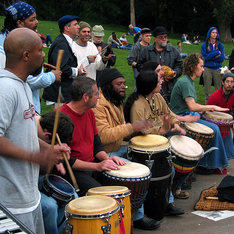
In the meadow on the edge of this area was a daily communal hippie drum thing going on. I would see them unload these handmade drums, conga drums, whatever and join in a group of about 100-200 people chanting and drumming and just having a good time.

You could say it was the precursor to the modern drum circle. I don’t even know if they knew what they were aiming for but it obviously was reminiscent of afro centric beats and Latin rhythms.  Whatever it was, it looked like fun and I just wanted to go hang out and listen.

I asked my Aunt Marlene what they were doing. She just responded that “it was a Pot Party” and “no, I could not go over there”.  A Pot party, what was a pot party? I pictured a big communal pot of chili or stew in the middle and they were just beating on the drums to pass the time while they waited to eat.  I just stood about 30-40 yards away intrigued by all the rhythm and the fun they were having.

Golden Gate still Drumming

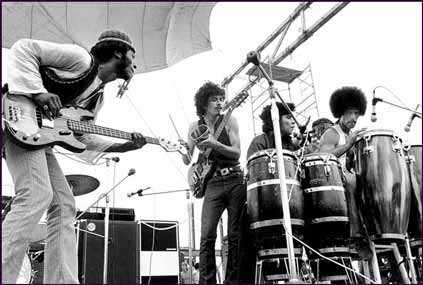
It was the same every time we headed down by the old merry-go-round area; at least for a year or so, which back then was a long time. Somebody else was taking notice, a young Carlos Santana. I read that he based the band on the percussion jams at Golden Gate Park. His band sound naturally evolved with Golden Gate Park percussionists Michael Carabello, Michael Shrieve and Jose Areas  at the core of Santana.

My friend Steve talked about the first time he saw Santana at the Fillmore East. He said there were these primitive Latin looking drums all over the stage and they were thinking what the heck is this? Then these three guys came out and started beating on all the stuff and it sounded cool then other band members joined in and so on until Carlos was out playing lead guitar over the top of the whole thing. The birth of Santana was born in San Francisco, not a preplanned “oh I was listening to some Cuban Salsa” thing but an organic pre 70’s drum circle driving a rock band.

Santana, Areas, Carabello at Woodstock

In fact, Santana was probably the second original jam band after The Greatful Dead. When Santana started they had some rhythm and melody structures that they would just jam for 8-10 minutes on at a time. Check out Santana playing “Soul Sacrifice” in the movie “Woodstock”.

 Bill Graham was one of the first to tell Carlos it sounded great but they needed songs. At first, it was instrumentals with titles like “Samba Pa Ti”, Spanish for “Samba for You”, a great title for a Samba jam.  Then Tito Puente songs with Spanish lyrics like “Oye Como Va”, which would be translated as probably, “Listen to what’s goin’ on”. Eventually at Bill Graham’s behest they recorded the Willie Bobo song “Evil Ways” which reached number 9 on Billboard with the first album going to number four.  

Santana came to life at a certain time and place as a result of what was going on with the local scene interpreted by a young guitarist with a reflection on the culture he grew up with.

Original Journey lineup after Perry joined

After Woodstock exposed Santana to the entire country and the world, Santana and his “Boogie’d” Fender would go on to influence other bands such as MaloWar and a myriad of others as well as a spin off band called Journey by Santana alumni Neil Schon and Greg Rolie.

Well, why would I share this story of hearing what Santana heard and realizing that I knew the root, the beginning of a unique Band? I hope it might inspire some musician/songwriter to look a little off the beaten path as they develop their own sound. It could be inspiration from hearing another musicians’ own unique ability and how one could overlap his own take on things to create something original. Carlos Santana and those percussionists hanging out in Golden Gate Park were originals.

– Brad Hardisty, Nashville, TN        thenashvillebridge@hotmail.com
American Bang at The Nick, Birmingham

It’s no wonder that the major labels are in a quandery and end up making bad calls like an investor who rode his stocks all the way to the beginning of 2009 instead of selling in mid 2007. First off, if a label like Maverick or Reprise feels the need to change a bands name they should have pushed the release date way to the front of the line.

American Bang, who cut their teeth in the Nashville scene as Bang Bang Bang back in 2006-2007, were a part of a thread of bands from American Minor (who got “Jive”d) to my band Furthermore doing our Humble Pie-est in Birmingham.  A major could have exploited a scene quickly the way they used to during the L.A. and Seattle things while it was fresh and make it roll out across the airwaves.

American Minor/photo-Josh Victor Rothstein

But no, let’s wait till all things change as they do in a three year period and quietly release product while College Radio is playing Fleet Foxes and Vampire Weekend.  American Bang is a great band with a great album.  A great write up in the local Metromix was a prelude to their CD Release party at Mercy Lounge last Thursday.  Rolling Stone or whatever  is nowhere to be seen.

A quick glance around town at the generics,  Borders and FYE find no copies of a great local band finally getting their day. No doubt, Grimeys will do their best. If you can’t find the CD locally what does that mean nationally? It appears that now that the product is available it’s back to the road.

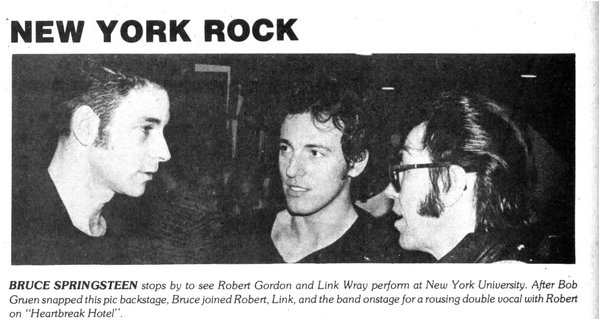
Major labels need to move a little faster and get back to making rock and roll records. If I had to take a guess, American Bang will get a big welcome in England. England seems to get what we aren’t spoon fed here. The Ramones went there in 1976 and started a revolution. The Stray Cats left New York and did what Robert Gordon couldn’t do by staying here.  The Drive-By Truckers are The Rolling Stones in England. England has been building a caudre of I guess one could call Hard Rock Roots bands for several years that get featured along the original genre heroes such as Thin Lizzy and Uriah Heep in Classic Rock magazines. England has the scene.

The best examples of getting it out while its hot right now are labels like Bloodshot Records that have released a great album the last three years by Justin Townes Earle, along with some real gems in their catalog.

Real Rock and Roll is not Rocket Science. A Neve Console, An Ampex 2 inch 16 Track Reel to Reel and a pile of Neumann and Shure Microphones. Write songs on the road and get it recorded well and quickly with few over dubs, then put it out every 8-12 months. I guess I didn’t mention Pro Tools and for good reason. That is how you build a Rock Bands history. The releases keep the momentum building while a band is on the road.

Van Halen, Texas Jam, 1979

Van Halen, The Beatles, the Rolling Stones, Black Sabbath and just about every band did that when Rock was fresh. Gee, a 3 year development deal with an album every 2-3 years doesn’t seem to work. No kidding. Is anybody listening at Warner Brothers or Sony? I didn’t think so. Go buy American Bang.

– Brad Hardisty, Nashville, TN      thenashvillebridge@hotmail.com


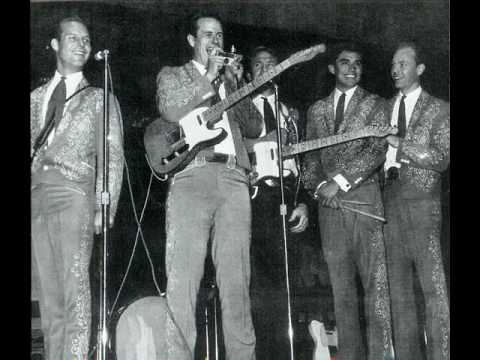
Don Rich on Tele with The Buckaroos

Eileen Sisk, in her recent biography of Buck Owens disclosed a good amount of information on how much The Buckaroos made working for the King of Bakersfield. It gave a lot of insight into the sacrifices that were made to be a Buckaroo.

Don Rich made $75 per week when he started to play with Buck. In addition to that, he was to turn over any money he made from outside jobs. Don and the other Buckaroos could make extra money by making a commission on concession sales. Don won many awards as a guitarist; in fact he won awards before Buck was recognized by Country Music associations. Don could have played on many sessions but opted to stay by Buck’s side even though the money was not that great. Buck and Don were a team much like  Tom Petty and Mike Campbell, but, only Buck saw the real money. He was really an employer. 
1960's Merle

In 1963, Merle Haggard was persuaded to take a cut in pay and play bass for Buck. Merle was making $150 per week playing Bakersfield Honky Tonks. Buck hired him to play Bass in his band for $75 per week.  Merle only lasted 2-3 weeks depending on who you talk to before quitting Buck’s band. During those three weeks Merle nicknamed the band The Buckaroos. Merle came up with the name for Buck’s band.

Even though the money was not that good, it was hard to turn down a chance to play in Buck’s band who at the time were considered probably the best in Country Music. Many sidemen today only earn about $200-$400 per week for dates at fairs or other steady venues.

It can be worse for an Indie Rock band. I recently went to a show at The Nick in Birmingham where a band I knew had traveled playing several Southern clubs got their share for the night, $34 after splitting the door with three other bands and the club Sound Engineer.

Early Ozzy, Black Sabbath Days

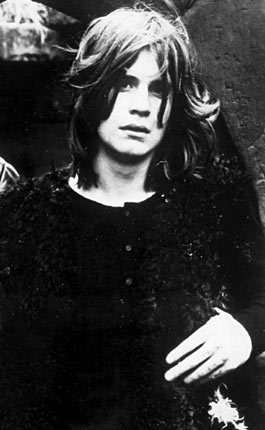
Ozzy, in his recent autobiography, tells how he never really saw money during his days in Black Sabbath. Black Sabbath was selling records and selling out shows yet rarely saw money. He learned from other members of the band that he could contact management and request a car like a Rolls Royce or something and it would be at the front door the next day. The car could then be sold and converted to cash in his pocket to use as he wished. Essentially, he was living as many bands did back then and that was on the management credit card, both literally and figuratively.

Even Elvis, who commanded big money, was at the mercy of his Manager Col. Tom Parker. At times, he would discuss getting out of his contract or not wanting to do certain concert dates or whatever only to be reminded how deeply in debt he was. In the early days, accounting and taxes were known to be above the heads of many artists and the business knowledge had by Management and Label Executives enabled them to use scare tactics to keep their roster in line.

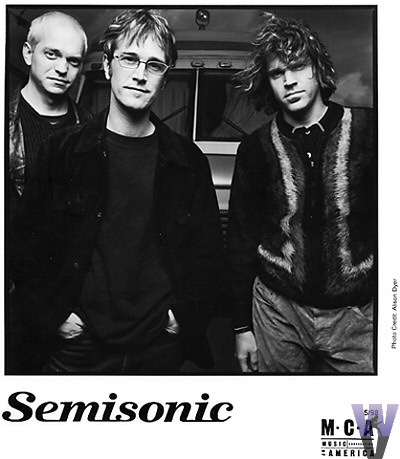
Semisonic  drummer, Jacob Slichter, wrote a great autobiography from the journals that he kept during his fifteen minutes of fame called “So You Wanna Be A Rock & Roll Star”. He not only went through how the music business worked in the 90’s but talked about how much money it took to have a number one record.  It took close to a million dollars when all was said and done in promotion to get the song “Closing Time” to number one. All the money it takes in promoting a band as well as the cost of touring including a bus that costs several thousand dollars each week eat into profits. In the end, most bands don’t see much unless things really hit big.

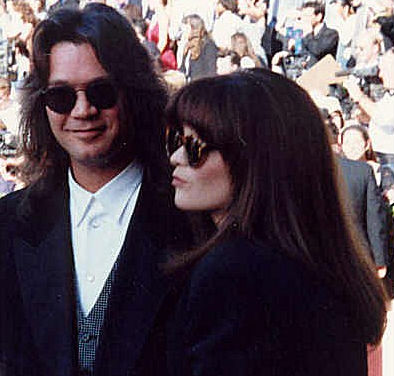
During the early days of  Van Halen things were kept lean to put money back into their show and work on becoming headliners. Eddie Van Halen was still living at home with his parents when he married Valerie Bertinelli according to her own book, “Losing It: and Gaining my Life Back One Pound at a Time”.  Even though he could have probably bought a house by the third album when he was dating Valerie it made life easier to keep a room at home with the parents.

When I was 16 I had the opportunity to meet Thin Lizzy on the “Johnny the Fox” tour. The song “The Boys are Back in Town” was a hit on the radio and they were out on tour opening for Queen who had a big album with “A Night at The Opera”. By the time they came to Fresno, California, Freddie Mercury was sick and Queen cancelled. Thin Lizzy became the headliner with Sammy Hagar brought in to open the show.

Hey Scott, so how much you make?

I was at sound check at Selland Arena and had the chance to hang and talk to guitarist, Scott Gorham. We talked about guitarists that he knew such as Ritchie Blackmore and how I was surprised he was from L.A. when I had expected an Irish or British accent. I had one big question since I was a guitar player that wanted to be in a twin lead rock band like Thin Lizzy, but, only played the occasional dances or talent shows with my garage band. How much did he make probably for the year? You know, he knew I was sincere and he was honest with me. He estimated about $24,000 per year. Back in 1976, that would be about $50,000 or so in today’s dollars. It was okay, but, I was expecting $100,000 or something.

In reality, the big payoff for some well-known names in the business did not happen until after years of solid work and paying lots of taxes.

Alex Chilton, Big Star days

What does that mean today especially for an indie act where you don’t want to look too big or be a sell out in the music business? It may mean adjusting one’s lifestyle in order to accommodate the need to create. At one time,   Alex Chilton , the cult hero behind The Box Tops and Big Star  was living in a tent on a friend’s property outside Memphis. He did find a home in New Orleans, but, after a lifetime worth of work he made enough to keep a modest lifestyle.

The music business may be whatever you are able to do yourself. The big labels don’t touch anything that doesn’t want to be developed by a Manager for the masses such as Kesha or Katy Perry. It’s entertainment, but, is it talent? Is it originality or is it a play developed for the artist to walk into? Most musician/songwriters don’t want to even go there as they write and record their music.

It remains to be seen how many musicians will be able to consider what they do as a career after free downloading has taken much of their livelihood. It is estimated that Nashville has lost about 60% of its songwriters due to illegal downloading. The Music Industry has lost jobs in the tens of thousands.

In a way, the clock has turned back to where a new “ Sun” records or other regional could end up making a big impression with innovation. A band, a cooperative or an entrepreneur with deep pockets and web know how could end up being the next big player. Ultimately, the music has to be interesting enough to get the listener to go look for it on the web.

– Brad Hardisty, Nashville, TN

Ray LaMontagne

Four of the top ten records this week in Billboard are a reflection of  Tennessee on the national charts and music in general these days.  A showcase of different styles that all have one common source.

Ray LaMontagne & The Pariah Dogs’  “God Willin’ and the Creek Don’t Rise” with the prominent pedal steel of  Greg Leisz,  may be considered “Contemporary Folk” and could be cross genred with “Americana Music” has its roots in the original Bob Dylan sessions for “Nashville Skyline”  and the phenomenal pedal steel player, Pete Drake. Pete was a first call session player on Nashville Country sessions that became known for his work on “Lay Lady Lay” as well the George Harrison’ “All Things Must Pass” album as well as Producing Ringo Starr’s “Beaucoups of “Blues” .  Greg Leisz work is prominently featured on “New York City’s Killing Me” and the title cut. The record debuts this week at number three on Billboard.

Trace Adkins’ new disc, “Cowboy’s Back in Town” debuts at number five on the national Billboard charts showing his strong audience pull beyond “The Apprentice”.  In a way Trace Adkins, although part of this generations Country Music, represents traditionally Country with his every man and ”what you see is what you get” type persona. He is one of the crop of newer artists that is defining himself much in the way the original icons such as Johnny Cash were able to do.

Lady Antebellum

Lady Antebellum’s “Need You Now” has gone beyond the country charts with the right pick of material and masterful production and presentation.  “Need You Now”, co-written by Lady Antebellum and Josh Kear spent five weeks at number one on the Billboard Hot Country Songs, before going #2 on the Billboard Hot 100 is now certified triple platinum  and can be heard on just about every radio format. The single has been in the top five on International Charts in Canada, Ireland and Norway as well as a top ten hit in the Netherlands and Norway.  I don’t know of anybody that doesn’t know that song. Again, the pedal steel lick on the chorus is as important as the vocal delivery. I can hear it in my head right now. The follow up singles “American Honey”, “I Run to You” and “Our Kind of Love” have continued the chart topping success.

John at Sun, Memphis

John Mellencamp and T Bone Burnett were right on with “No Better Than This”.  The first week on Billboard that album enters at Number 10 in all its ragged glory. “No Better Than This” was recorded in much the same way as Sam Phillips recorded early tracks at Sun Studios by Elvis Presley and Johnny Cash. A vintage mono Ampex Reel to Reel fed by a vintage solo RCA ribbon mic figure in a big way in the Sonics of this album. This features great songs by John Mellencamp being heard on rock, pop and country radio.  The single “Coming Down the Road” being played locally as part of their “Americana Files” on WSM 650, “The Home of Country Music”. If you didn’t know it was a new cut by John Mellencamp you would swear it was an obscure but great track recorded at Sun back in 1956 that is now just coming to light. John will be a part of the Americana Music Awards being held in Nashville being held on September 9th at The Ryman Auditorium.

Americana Music, in general, is the new underground. It doesn’t even have its own chart on Billboard yet. WSM 650 in Nashville is paying attention and participating big time with hosting the “Music City Roots” show at The Loveless Barn every Wednesday night. In times like these, with people searching for jobs and worrying about the future, sometimes the familiarity of Country songs themes and the roots of Americana and Folk that go back to the days of The Carter Family are a way of easing and soothing our troubled minds.

– Brad Hardisty, Nashville, TN