Photo Courtesy Christal Anderson

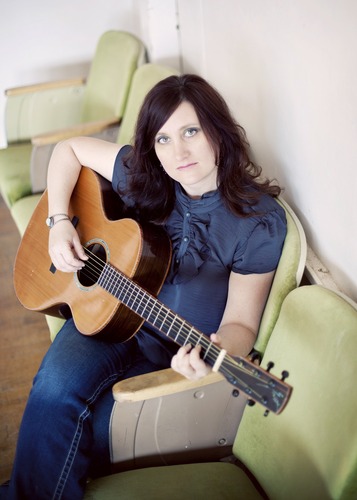
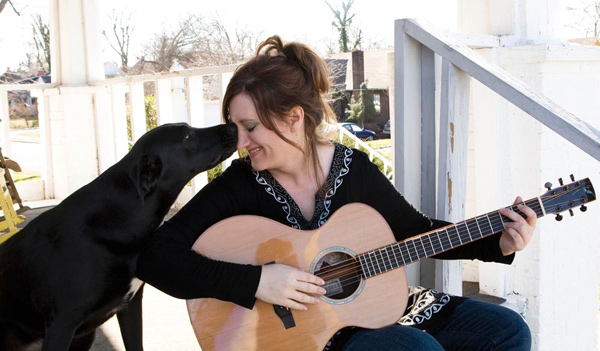
Nashville Singer-Songwriter Shantell Ogden is giving all of her fans an opportunity to be the muse for a song on her new fall release, Stories Behind Songs, by sharing their story through her website by May 8th.

“I believe that everyone has a story that could be told in a song. My friends and fans are already an incredibly important part of my journey as a songwriter, and it’s exciting to engage them in the creative process.”

Shantell has already received submissions from as far as 2000 miles away from diverse areas of the country from Utah, New Mexico, Georgia and Oregon, as well as several other states.

“I’ve been really touched by the personal stories that friends and strangers have shared with me already,” she added. “As a songwriter, I can appreciate the honesty and vulnerability that goes into sharing a personal experience with someone else.”

Photo Courtesy Christal Anderson

Shantell shares, “I’m sure we have all heard songs and said to ourselves, ‘That’s my life story in a song, that’s how I feel.’ The best songs get beyond the writer and reach into the common experiences we all share in love, loss, hope and healing.”

One of the songs from the upcoming release, “Unfinished”, has already touched a fan in a personal way. After a recent showcase featuring the song, a girl from the audience came up and said she needed a copy of the song because she felt the lyrics were telling her recent break-up story:  “There’s still a little what might have been, and still a little you and me left, Unfinished.”

The new CD is being recorded at Dave Smith’s (Guitarist for Lee Greenwood) Nashville Song Lab Studio. Dave Smith is Co-Producing with Shantell, Stories Behind Songs, which features co-written works by Bill DiLuigi and Donna DeSopo who will be playing an opening slot with her as well as Scott Jarman at 12th and Porter on April 23rd in support of  Acklen Park.

Acklen Park’s new self-titled CD was released on March 18th and features two songs co-written by Shantell Ogden, “For You, I’d Change” (written with Acklen Park’s lead singer Marcum Stewart) as well as “Lost” which was co-written with Bill DilLuigi and Scott Jarman Acklen Park plans to record a video for “Lost” later this year.

Shantell is currently finishing up songs for the album and looking forward to getting back into the studio to record.  If you would like to be part of the story, be sure to submit your story on her site by May 8th. The chosen story will be announced on her website and through   Twitter@shansmusic  on May 13th.

Photo Courtesy Rebekah Pope

– Brad Hardisty, Nashville, TN    thenashvillebridge@hotmail.com

Fragile from Wisconsin who has developed a multi-textured rock work, This Land Will Be Civilized with Producer, David Bottrill (Tool, Staind, and Muse) and Mastering icon, Bob Ludwig will be performing in Nashville for the first time on April 7th at The Rutledge along with 714, featuring Todd Poole from Saliva and Nashville Rockers, Nexus Point.

Brothers Darrell and Chauncey Marrier started writing together growing up in Withee, Wisconsin with the common influences of classic bands such as The Beatles, The Band, Led Zeppelin as well as Bob Dylan and The Rolling Stones wanting to develop lyrical content as well as dynamics that would stand the test of time.

This Land Will Be Civilized

This Land Will Be Civilized  featuring “Down To The River” is interlaced with powerful rock and string section breaks that were recorded remotely at St. Hedwig’s, a 100 year old historic abandoned country church, which is now being restored into a world class recording studio with the help of world renowned studio designer, Michael Cronin, known for his studio design at Ocean Way, Blackbird in Nashville as well as the personal studios for Mutt Lange, Clint Black, Big and Rich and Ryan Tedder of One Republic.

Fragile has brought their music to some of the greatest venues in Wisconsin and Minneapolis such as First Avenue, Varsity Theater, The Turf Club, The Fine Line, The Rave as well as the Grand Theater in Wausau, Wisconsin and are looking forward to their first Nashville show.

Fragile is not only committed as a band but as people realizing their vision of This Land Will Be Civilized with the Hands Foundation, established by brothers Darrell and Chauncey Marrier which not only helped Hurricane ravaged Mississippi and Florida but has had annual building initiatives in Monterrey, Mexico to help people who are otherwise living in shelters made of cardboard, pallets, tin or any other utilized debris.

With the addition of the studio being completed at St. Hedwig’s Church, Fragile is committed to future songwriting as well as balancing life with giving back to the community.

714

Along with Fragile, 714 from Memphis featuring Todd Poole of Saliva fame and local heroes Nexus Point will be rocking The Rutledge. The doors open at 8pm ($5 cover) with the first set starting at 8:30 pm. 714 and Nexus Point will both be featured Sunday Night April 3rd on Local Buzz with Tony Stone on 102.9 The Buzz.

Nexus Point

Support Rock in Nashville. This will be a great night not to be missed.

– Brad Hardisty, Nashville, TN     thenashvillebridge@hotmail.com

Blackberry Wednesday

A Benefit for the homeless co-sponsored by The Contributor will be at Picks Nashville at the Best Western Music Row this Friday Night, April 1st, will bring two of the biggest Memphis Rock bands to Nashville to support the cause.  714 and Blackberry Wednesday who have both worked with Hollyville in Nashville with their latest video projects jumped at the request to do a benefit for the Homeless in Nashville with support from the local homeless press, The Contributor as well as support from the local Music Industry.

714

714 with Todd Poole from Saliva and Rail, recently released a video produced by Hollyville that was shot in Nashville, “Stand Alone” that is seeing major success on YouTube in developing an audience and getting the music out there. The self-titled CD which was recorded at Leeway Studios in Memphis will also be co-headlining at The Rutledge on April 7th.

Blackberry Wednesday whose recent CD was produced by Matt Martone (Three Doors Down) has seen a lot of airplay with the song “Hey I”. With the success of radio, they shot a video on location at The Rutledge with Hollyville and were really satisfied with the quality of production available in Nashville and especially with Director Michael Giancana.

Two strong bands from Memphis with Nashville ties will look forward to rocking the house along with several other local acts that start at 6PM this Friday night near the circle at Demonbreun in the shadow of the BMI Building. It will give fans the opportunity to contribute to a local cause and enjoy a great night of music at the end of Music Row.

– Brad Hardisty, Nashville, TN     thenashvillebridge@hotmail.com

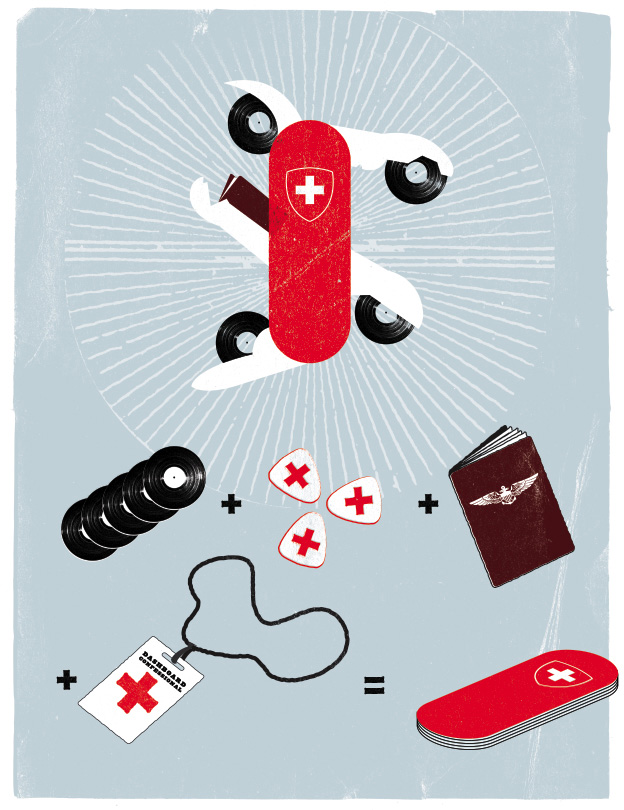
Dashboard Confessional has made it through several labels, both record labels and labels put on the band such as Emo or Alternative and whatever radio has decided at any given time to celebrate 10 years since their first release, The Swiss Army Romance, that was recently re-released as a deluxe vinyl package of five 45RPM vinyl records with everything but the kitchen sink, from a guitar pick to a reproduction of the Writer’s original handwritten notes. Dashboard is now out on a celebratory tour marking 10 years in a flash at The Cannery Ballroom on March 31st.

The Swiss Army Romance Deluxe ++ Edition

In an age where rock has Elder Statesmen from Ozzy Osbourne to Bono, Chris Carraba and band have weaved through the once mega chains such as Tower Records to the now perfunctory Indie cred of Grimey’s.  Dashboard Confessional has always managed to find a spot from the first Volley of The Swiss Army Romance to what was their peak success in 2003 of A Mark, A Mission, A Brand, A Scar that peaked at #2 on the Billboard Charts.

Chris Carraba and Dashboard Confessional were willing to take on anything including the MTV Unplugged show that resulted in a subsequent Live, MTV Unplugged 2.0 that was #1 on the Billboard Indie charts in 2002.

Dashboard’s last recorded effort, After The Ending, released late in 2009, still showed staying power at #6 on the Billboard Rock Charts. They have navigated Rock Radio in probably the most difficult decade to retain status due to strong songwriting and consistent material.

Chris Carraba is known for bringing his own intense emotions into his songs and his stage performance, having toured with everybody from New Found Glory to Bon Jovi, they have reached across generations with a strong lyrical content and deep singer-songwriter roots, it is the alternative for the alternative crowd to the typical Tin Pan South fare going on elsewhere in Nashville next week.

Even though Chris is comfortable playing solo or with another guitarist, he always comes back to the full band,” I always find myself doing Dashboard instead because I think this is the–there’s the least boundaries within this band. Plus I love relationship I’ve been kind of fortunate to have with my audience. It’s personal and unique. So I’ve got to say that’s why I’ve stayed interested, because you can only play the same songs up there in front of people. Every year I put a record out, but you’re still basically playing the same songs for years. And it’s the genuine heart that those kids bring with them, and the fact that they care–seem to care–as much as I care about it–maybe more, strangely sometimes. That’s what makes me able to do it for as long as I’ve done it. And maybe, hopefully be able to do it for many more years.”

Touring with the 10th Year Anniversary re- release of The Swiss Army Romance will give earlier fans a chance to re-connect with the music while new Nashville fans can find a great point of reference with one of the best cross-genre songwriters of this generation. The March 31st show at Cannery Ballroom presented by AEG Live is a show not to be missed.

– Brad Hardisty, Nashville, TN     thenashvillebridge@hotmail.com


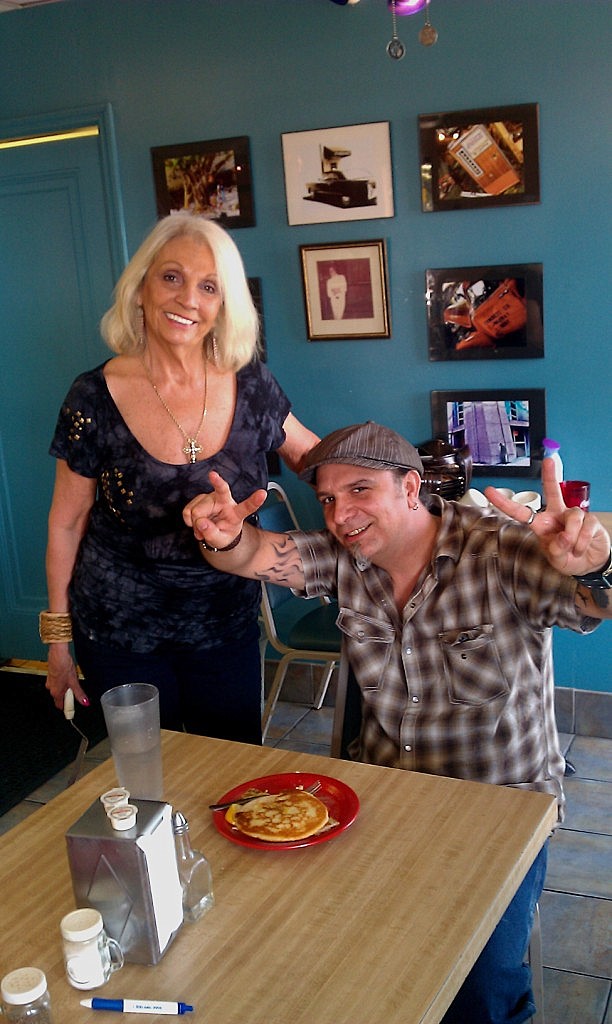
Carol and Jason Babbs, Last week at The Pie Wagon

The Pie Wagon located at 1302 Division Street in Nashville has one of the longest histories of any restaurant in  Nashville dating back to 1922, is once again changing ownership as Carol Babbs and her son Jason move on to new ventures.

Carol – “We live down by the Cumberland River, in the Cleese’s Ferry area. We were lucky; we didn’t get any damage in last years’ flood. We are just going to take some time and decide what to do next.”

The Babb’s, longtime residence of Nashville and part of the Music Row landscape left their mark with some of the best Catfish and Hot Chicken in town as well as other great home-style food such as Tomatoes and Onions marinated in White Vinegar and some salt just like my Grandmother used to make.

Located just across from the Best Western Music Row sits at the end of Nashville’s famous Music Row with nearby studios, BMI headquarters and several Music Publishing Companies is a great Meat and Three within walking distance where Musicians taking a lunch break from studio work mixed with some of the most well known Music Publishers and Songwriters.

Many times, it could have been a green room at a music festival or always Tin Pan South as delectable Cornbread and Homemade Mac and Cheese kept the talk flowing. The Pie Wagon was not only a close-by eatery, they also never disappointed with great food and a warm staff that remembered your name and what you liked.

Jason Babbs, who ran the day to day operations, always recommended bands to check out in my day to day work.  Jason and Carol will be sorely missed as Friday is their last day with The Pie Wagon being closed to prepare to be reopened name intact with a new owner also familiar to Music Row Foodies.

“David Biggs, who owned Macs Café where Ken’s Sushi now stands as well as Diamond in The Rough is the new owner. The Pie Wagon has been owned by five different owners that go way back to 1922 when it was known as The Majestic Café. The food has always been great. We are excited that tradition will continue.”

Carol was cooking hot Corncakes fresh off the griddle and passing them out with whipped butter at lunchtime on Wednesday when I stopped by and said a goodbye.  It was hard to decide but I went with the Fried Chicken, Homemade Mashed Potatoes with the some of the Mushroom Gravy from the Salisbury Steak and Mac and Cheese, homemade food that I love but rarely take time to make for myself. Carol and Jason Babbs will be missed. Many, many thank yous are in order as well as “Here’s to the future”.

Leo Kottke burst onto the scene at the beginning of the Seventies with a fresh approach to the acoustic guitar, especially with open tuned fingerpicking style on 12 string that influenced generations of Guitarists after him, such as Pat Metheny, Michael Hedges and Tommy Emmanuel.  AEG Live/ The Messina Group will bring the Player’s Player live to TPAC’s James K. Polk Theater on Wednesday, March 16th.

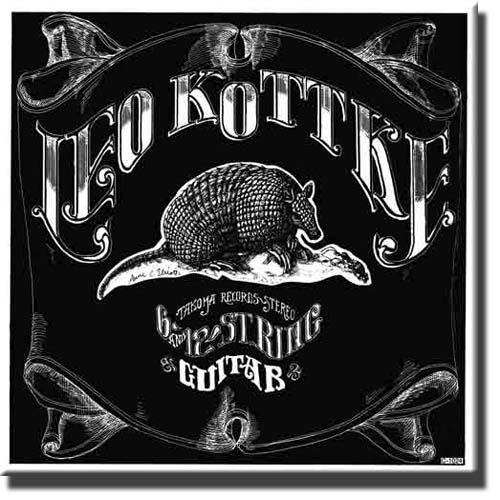
Leo is best known for his Polyphonic Syncopated Melodies and use of detuned obscure chords. His first album recorded in 1969, 6 and 12 String Guitar on Takoma Records, has been reissued many times as it was a blue print for what was possible, thinking outside the box, Leo was the Allan Holdsworth of the steel string acoustic.

Leo was so amazing as a solo performer and recording Artist that he was picked up by Capitol Records in the Seventies, releasing five albums by 1975 including Dreams and All That Stuff which peaked at #45 on the Billboard Charts. Leo then moved on to Chrysalis Records until 1983. The music business finally caught up with Leo’s forward process when he moved to New Age Label, Private Music in 1986. This was a productive time with a community of musicians looking for inventive composition achieving one of his highest chart positions with That’s What at #24 on the Billboard Charts.

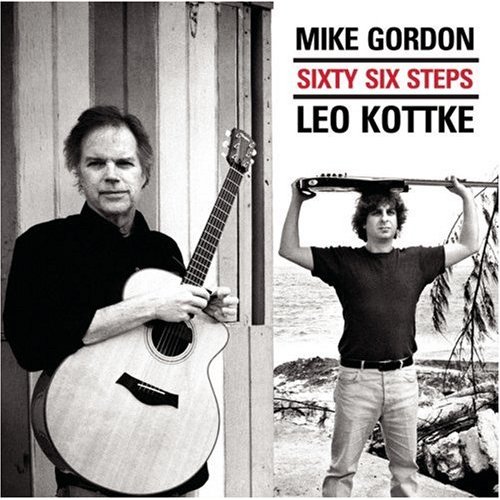
Leo has worked with several Artists including Lyle Lovett, Rickie Lee Jones, Chet Atkins, David Hidalgo and most recently released two critically acclaimed albums with Phish Bassist, Mike Gordon , Clone and Sixty Six Steps. Sixty Six Steps featured some interesting covers of “Sweet Emotion” the classic Aerosmith song as well as “Oh Well” the Peter Green penned Fleetwood Mac song.

Leo who was born in Athens, Georgia and grew up learning to play the style of Mississippi John Hurt in Muscogee, Oklahoma, eventually incorporated many influences from Delta Blues, Jazz and Folk Music. In much the same way as Mandolin Player Sam Bush and Banjo Man Bela Fleck he has always sought to re interpret traditional American Music in an ever expanding portfolio of methods.

When Leo had problems with tendonitis, he learned to find new tones without using fingerpicks, developing a more jazz fingered style method, as well as going the way of the Singer/Songwriter at times.  Despite being so advanced in his own style, Leo still is amazed at some of the prowess out there, “I hear people playing who baffle me. I can’t see how they’re doing it — either so soon because they’re so young or despite being laid up because they’re so old. It’s frustrating, this bafflement, only because I’ve never really done my homework, the quotidian, day-to-day scut work of concentrated study, and I owe it to people like Federico [Franco], or Snoozer [Quinn], to do that … they did. I admire these players”.

Leo’s life has been one of an ever changing music chameleon having started during the time of Bob Dylan and Jimi Hendrix through the New Age Music Era and in a way going full circle working with Jam Band Alumni Mike Gordon, the guitar has been there always,” It saved my life when I was a kid. I’d been sick. Now it is my life. I wouldn’t call it joy, but that’s in there. It’s more than joy — and it gives me the creeps just saying that — but it’s true.”

 Leo has played on several makes and types of guitars over the years before finally becoming a Signature Artist for Taylor Guitars with his own co-designed 12 string model.  The TPAC Polk Theater will be a great forum to connect with a guitar community for the most essential element to Nashville is the guitar and there are more guitar players in Nashville than anywhere else in the world and the best of the best will no doubt be in attendance on March 16th for the inspired playing and improvisation of Leo Kottke.

 – Brad Hardisty, Nashville, TN    thenashvillebridge@hotmail.com

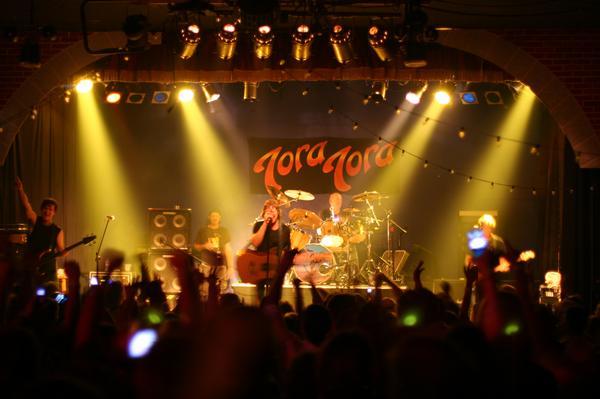
FnA Records will officially release the long anticipated Tora Tora follow up to Wild America; Revolution Day on February 28th on purerockradio.com at 8:30 PM Pacific Time live on the air from Las Vegas, Nevada with DJ Cory Draper playing some of the tracks and celebrating with all the original members of the band; Anthony Corder, Keith Douglas, Patrick Francis and John Patterson.

It has been a while since 1994 when this gem was recorded at Ardent Studios in Memphis, Tennessee just like the previous two albums. Anthony and I sat down for an Indian Lunch buffet at Tamarind on Demonbreum, just off Music Row in Nashville to reflect back on that time.  Tora Tora has been lucky over the last few years doing reunion shows and playing Rocklahoma in 2008.

The release of Revolution Day has been long anticipated since the fans have been getting their first taste of the music from Revolution Day live over the last couple of years. Tora Tora fans, especially in their hometown of Memphis, Tennessee were excited to know that Revolution Day was going to see the light of day.

Brad: Everybody in the band is still nearby?

Anthony: Yeah everybody is still based out of Memphis. We actually ended on great terms when the record deal was done. Our A&R Guy Brian was a great guy, he also signed Soundgarden.

B: So who was your Management then?

A: We were with Loud n Proud which was based out of Brooklyn. L’amour’s was a big heavy metal club and we used to go there and rehearse for a first tour which was our first trip out of town, when we were going to promote our record, it was our first big tour. We would go there and stay out on Staten Island in some Loft apartments, with three of our crew guys; there were seven of us staying there in a one bedroom apartment.  So we’re driving into Brooklyn every day to rehearse at L’amour’s and go by the management office.

B: You were recording at Ardent, right? But, rehearsing in New York?

A: Yeah, we went out for eight weeks after the first record I think. We worked our way on from Pennsylvania, out in the boonies, places like the Cat Club, Vinnie’s,

B: And this was right after the first release?

A: Yeah after Surprise Attack. At the end we were with Bill Graham Management. About the time we were ready to wrap the third record, Brian (A&R) was offered a very lucrative contract to go with another label.

B: How did you get signed?
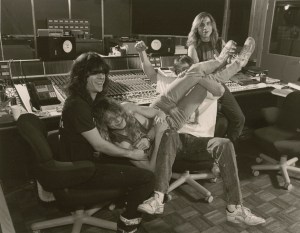
Tora Tora at Ardent during Wild America

A: Ardent had signed us to a production deal and they kept bringing A&R guys to Memphis to see us and A&M showed the most interest. They seemed the most genuinely interested in what was going on with the band. Brian (Artist Relations with A&M) was always really encouraging; he liked to hang out with us after our thing (in Memphis). We used to have this warehouse where we would showcase.

B: Was that like your practice space?

A: Yeah, we hung black garbage bags all over the wall and the front of the stage. Keith’s Dad had these 55 gallon blue barrels and we built a stage out of them. We put plywood on top of them and painted it. We would just recruit some of the Football players like from Ole Miss and they would run the door for us. They were security and the local DJ would announce us on the radio. He would say, “Hey tonight, don’t forget Tora Tora”. They would bring like long chairs and all kinds of stuff and just hang out and we would jam out all night. That’s where the record label came to see us play.

B: Did you have other bands playing gigs with you there?

A: Our first show was on Halloween and we had an opening act but after that we pretty much did our own thing.

B: Did you do the warehouse thing because there was pretty much one club or you had to open for a big name act?

A: The biggest problem was our crowd was under age so playing bars; they wouldn’t be able to get in. So it was a place, if you were under age where you could go and hang out and listen to lots of music. It was kinda cool. We did play at The New Daisy on Beale Street a lot. It’s like a little thousand seat Theater. We actually just played there in 2009 I think. It was kind of great to go back there and play in a place you grew up.

B: So what was going on around the time you did Revolution Day after a few years on the road?

A: About the time we got finished with recording our last, the third (Revolution Day) record, Keith our guitarist, was getting ready to have a Son, so he was thinking I don’t know if I’m up for doing another run on the road, maybe I’ll do the record, and of course we wanted him to go with us, we just said if you’re not going to go then we’re not going either. You know we had been playing together since we were kids.

B: So he didn’t think he would be able to do it?

A: Well, he just had a child that he wanted to be around. It was a big decision and at the time the other three of us weren’t married. Not to bring up anything negative, but it seemed like the timing was right to take a break, Brian (at A&M) was going and Keith was wanting to take some time off, so we were like you know what let’s just take a break and we’ll pick up where we left off or if we want to get back together we will.

B: So you kind of took a hiatus?

A: Yeah, and so we decided to do that and it took us I don’t know how long, fourteen years or something like that to get back. Everybody got back into their own life and had their things going on. I wanted to keep singing and I kept pounding it out with some other guys.

B: Were any of the guys playing in any bands or doing anything after Tora Tora?

A: Patrick actually did, he went on and did a thing with a band called Rail.

B: Was it the Rail that was on MTV and stuff back in the early eighties that won some contest and toured with Heart?

A: I don’t think so. Oh no.

B: When you started Tora Tora and got signed did you ever find out there were any other bands called Tora Tora?

A: We did, from the seventies I think.

B: Were they a U.S. Band?

A: Yeah, they were and they had a record called Made in Japan. It was funny.  I guess with the length of time and everything since their release we got permission and everything to get the rights to the name and go for it.

B: Nowadays with the internet, it is a lot easier to find out, but back then you would have to look through a library or for trademarks or something. Back then you wouldn’t know there was another band with your name unless you crossed regions. With a name like Tora Tora there was that possibility.

A: Right, we kind of found out on the back end, but it was enough time before we got the record deal and everything going.

B: When you were writing the music for Revolution Day there is a marked confidence in the playing.

A: We had grown so much out on the road. I mean on our first record we had never travelled. We didn’t have a lot of life experience. We just thought about dating girls, maybe catching a buzz or something. It was pretty limited but after our first record we spent two years out on the road and you could tell our eyes were just like opening.

B: Who were you touring with at the time?

A: We did a lot of touring on our own. We were brand new. We wanted to get out and get the chops, get our own crowd. It was about being in front of people, you know you can rehearse to death in a rehearsal room and hit every mark and great but when you play in front of people it turns into its own thing.

B: Now kids want to get in and do all these recordings and videos but what Rock and Roll is all about is going out and joining the circus.

A: Yeah we took three guys as our crew and went out and our A&R guy was there.

B: Did your A&R guy do merch for you?

A: No, He just wanted to go out with us on the road. It was great fun. I don’t know how other people work but he was pretty hands on.

B: That is really good though.

A: Yeah even Keith our guitar player got kind of close would hang with him. He would come up with all kinds of crazy stuff. One of my Birthdays, we were on our way to North Carolina or whatever and he would get ideas to go do stuff. There is nothing like being in a band together and just going out and doing stuff you like to do. We were getting so much better out on the road.

B: Well, when you think of the trilogy of Tora Tora albums it makes me think about Van Halen, on Van Halen it was just killer, and then when you get to Van Halen II, hey they have been out on the road, there just kind of more loose, relaxed and then Van Halen III it was like they thought we can do some crazy stuff, like with the drum beats and where they were going. It was kind of like Tora Tora was getting there, like now we can try some crazy stuff.

A: Yeah, we always rehearsed a lot so that when we got to the studio there were never any snares. Keith was always the perfectionist.  You know how it is, he was always creative. We were growing musically, but on that third record practiced a lot at an old studio around the corner from Ardent. We actually had done a lot of pre-production there for the Wild America record as well.

B: Are the first two A&M records still in print?

A: The first one (Surprise Attack) is, the second one is not. I think they only made about 300,000 units or something.

B: So what about Revolution Day?

A: I think we did stretch out musically.  We had a warehouse that was over by the airport and it was great we could get as loud as we want and there were planes like taking off. This was during the third record.

B: Did you know Rock City Angels when they were recording over at Ardent?

A: Yeah we knew them very well. I remember Bobby Durango and all those guys. Anyways, when we were at the warehouse, one of our crew guys had worked at Ardent and he was a great like Engineer guy and he could fix like anything in the world and he helped us mic up everything and did preproduction demos on 8 track cassette. That was some of the stuff we released on FnA Records.

B: Yeah some people are so into deep catalog stuff they are looking for stuff like that.

A: Yeah, I told FnA Records that was great even for us to have just to document that time.  We worked on that record for a long time and there are songs like “Little Texas” which is about this place in Mississippi where they are still toting stuff around it’s a farm area, a town called Little Texas, Mississippi. Lyrically it had stuff about my roots, more introspective.

B: So “Little Texas” is about where you grew up?

A: Yeah, a little bit. I mean the real place I’m from is called Avalon, Mississippi. It’s where Mississippi John Hurt is from, and you know cotton gins and little stores,

B: You know talking about Mississippi John Hurt; that was one of the blues players they went back to in the sixties like Son House.

A: My Granddad knew him. When I grew up, my family on my Mom’s side, they were all like porch players and my Mom played piano and my Uncle played guitar. The other Aunt sang.

B: Porch players? Like hanging out on the porch and jamming?

A: Yeah, porch pickers, they would all play and they got my Uncle to learn the John Hurt way of playing. So he would do it and play just like him. My Aunt could do it. I don’t realize it was something unique growing up there with my family jamming and stuff. My friends would come down with me to visit and they would be like, your family is playing this Mississippi John Hurt style and I would be like, no, let’s get out of here. I would never sing in front of my family. When I was about fifteen, a guy down the street from me was playing guitar and I’ll never forget, he got a Jackson, like he was all about it, it was pink and the slanted neck and all that. He got it and he was listening to a bunch of Dokken and all these things and I went down and he said you should sing or something. At first he got a snare, bass drum and a High hat and I was jamming with him and I was yelling over the drums. That is when I very first started singing.

B: Before that did you sing in the shower or anything like that?

A: No, I listened to a lot of top 40 radio and my parents listened to a lot of R&B and the bluesy stuff and they did Gospel. It was really important, because they were like strict Southern Baptist and we were at church every Sunday singing in church and stuff like that. It was definitely something different when I started singing with them and we started this group called Pioneer.

B: That was your first band?

A: We had done a couple of talent shows and a couple of Battle of the Bands things and then Patrick the bass player from Tora Tora talked to me one day. We saw each other at the Mall or something.

B: This was how Tora Tora started?

A: Yeah, he said we are going to have some auditions for the band and we wanted to know if you wanted to come by and sing. They were like into Iron Maiden and Rush, things I weren’t super clear with, and I knew some of the stuff.

B: You brought kind of the blues thing into it, kind of like they were these Metalheads?

A: Yeah, it wasn’t something like hey this is what we are going to do. It just kind of developed. They were playing like Cheap Trick, Rush 2112 and Iron Maiden.

B: This is a lot different than “Guilty”.

A: They had a following before I came in but it was more heavy kind of a Judas Priest thing. It turned into something a little bit different. After the first couple of times practicing it started changing and they were really teaching me a lot of things because I really didn’t know much about singing. I mean like timing and all that stuff. It was hilarious. I remember our first show we played out, like I didn’t move.  I stared at my feet. And they said you gotta move man. I wouldn’t trade it for anything. I think about every day. I mean I can walk by somewhere and smell the room and say I want to get up there right now or something will happen. The third record though,

B: What would you say would be the radio cut on the new album?

A: I don’t know, we had a lot of fun where we had girls singing back up and we had the Memphis Horns on one track (Memphis Soul). We had written with some more outside writers like Stan Lynch from Tom Petty and The Heartbreakers.

B: Really, Stan Lynch?

 A: He had two songs on the second record, and I think he had two on the third record. I still talk to him this day. He had a great stand here in Nashville. On the first record we were against writing with other people, but then we co wrote “Guilty” and that was like pulling teeth. None of us wanted to go in there. We felt like they were trying to change us. We thought well we need to man up so I went in there and wrote with him. We thought this is totally going to change our sound and the label is going to hate it and the label people went “Oh my God, this is great! We got a single!” It was a learning experience and the one thing I am happy about now, looking back on it, especially being in publishing now, I encourage people to write with as many people as they can. You always take something out of it even if the song is not that great.

B: There is nothing wrong with mixing it up.

A: I think Keith tried a lot of different things on the guitar; he tried a lot of different tones and sounds in the studio. We had the luxury when we were at A&M, all six years, with recording everything at Ardent.  It was kind of our home base. John Fry is still a great mentor to me.

B: John Fry is still the “guru” at Ardent today.

A: Yeah, and they gave us the opportunity to like grow and be experimental. I bet we wrote sixty songs for Revolution Day. That was actually demo’d up.

B: Pre-production was a big thing back then. You could demo thirty songs and pick twelve or thirteen.

A: I think the culture is totally different now. Economics.  Money is not flowing around like it used to be.  Technology affords you the opportunity to just trigger it. The overall thing about Revolution Day that I just wanted to say is get it out to the people that want to have the chance to hear it.

B: The songs from Revolution Day always go over really well. I was at your 2008 show.  The fans like it, people want a copy of it.

A: It’s out all over the internet (poor MP3 quality bootlegs). We just said, let’s do a copy right. I’m surprised fans are still out there and they’re still loyal. They appreciate everything we do. I think about it every day.

B: I talk to a lot a people from bands from back in the day and I mention Tora Tora, being from Memphis and the album Revolution Day and I always get positive feedback. It’s always, I really liked those guys.

A: I think a lot of it is due to the team we had around us at Ardent. The band, the guys, they really had a sound. We would go bang it out in the studio till we had the right sound.

B: So with Revolution Day, maybe you’ll do some more shows?

A: Well, Keith has been writing some stuff and said “I want to send some stuff over to you, not bang you in the head, maybe acoustic stuff at first. Which is good, I was always the mellow guy. I would love to do something again other than just do shows.

After a pile of Tandori Chicken, Curry and Rice we were done and where we were going was into the future. It is possible that Tora Tora may have some new material in the future with the same four members that tore it up back when, but, for now Revolution Day is a fantastic album equal sonically to some of the best Metal of the era like Motley Crue’s Doctor Feelgood for Metalheads past and present to enjoy.

Tora Tora present times

– Brad Hardisty, Nashville, TN     thenashvillebridge@hotmail.com

The 2011 Folk Alliance Conference in Memphis will prove to be one of the most musically diverse weeks ever since Folk Alliance started and Tumbledown House who now split their schedule between Montana where they started and Arizona where they now call home will bring their Early Wild West Gothic tales of brothels, drinking, murder and gambling backed by a sound that at times is reminiscent of Devil Doll’s first album, Queen of Pain and other times Edie Brickell and The New Bohemians word play to Tennessee.

Much of the time the stories are drawn from true life characters that inhabited the rough and tumble towns from South Dakota to Montana, in one piece an actual poem adaptation of “My Papa’s Waltz” written in 1942 by Theodore Roethke gives a picture from a child’s view of dealing with a drunkard Father.    This is serious if not sometimes picturesque stuff that shows off a muse steeped in history and forgotten lives.

Gillian Howe, from Bozeman, Montana and Tyler Ryan Miller, who after leaving Arizona State University where he had completed a few semesters studying Jazz guitar,  met working at a local brewery in Portland, Oregon where they were both drawn to the local music scene and started what became Tumbledown House.

Tyler said “When we started looking at each others’ music, we were both writing the common themes of introspection associated with the Portland Indie Scene, I was really into the Elliott Smith- Nick Drake thing, but, when we started writing together a whole new thing came out. Gillian had all these great stories and I just concentrated on the music.”

Gillian: “It was like Tyler could read my mind. He could play what I was hearing in my head. I didn’t have to have to deal with my basic guitar playing, Tyler was able to bring the song to life and I could concentrate on the lyrics.”

The lyrics although they seem to be written about true life stories about people like “Lazy Susan” in the song “Sweaty Tennessee” they are both drawn on real life facts and fiction as well. “ The song “Brothers McGhee” has true characters based on a story featured at the end of the song about Stick McGhee from Kingsport, Tennessee and I was able to create a fictional story at the beginning that just lead into the true to life story at the end.”

Their first self titled disc on Silent Coyote Music features fine guitar work by Tyler with complex jazz chords, but not in a modern style, with hints of Ragtime and Thirties era Jazz.”I’m a big fan of John Schofield and especially Kurt Rosenwinkel, he can hear melodies in his head, but you wouldn’t know I was into that because it’s not reflective of what I am doing now but I reach into my background to do what I am doing now.”

There are various players on the album with one real standout being Clay Scott on violin with the haunting lines that sound like they were recorded during Robert Johnson’s days in a hotel in New Orleans much like the early Blues and Jazz sides in the Twenties and Thirties.”

Although new technology was used to record the disc, “We sent the files to Massachusetts for Justin Kipp to do his drum tracks and the album was mastered in Brooklyn, New York by Paul Gold who did Grizzly Bear’s Yellow House which is one of my favorites”, the lyrics and feel for the most part bring out the 1800’s American Boomtown stories and their colorful lives.

El Tiradito Shrine

The next album is going to have more of a big band feel drawing musicians from the local Arizona scene as well as a new song drawn from a famous shrine in Tucson;  El Tiradito Shrine also known as the “Sinners Shrine” it is now marked as a Tucson Historical Site.

Gillian: “Everybody sticks a prayer in a hole in the wall and prays for the sinner in their life. It saved the whole Barrio because a highway was suppose to go through there and they marked it as a Historical Site. When you go through there at night there are candle lights flickering form all the lit candles and it is beautiful. We wrote “Little Castaway” about that place.”

Although this will be their first official dates in Tennessee they did get the opportunity while passing through Nashville to play at The Bluebird Café open mic night. Two of the songs on the album, “Sweaty Tennessee” and “Brothers McGhee” both tell tales about Tennessee people.

Tumbledown House’s  official showcase will be Friday at 6:30 in the Knoxville Room of the Memphis Downtown Marriott, but if you are not able to make it, they will also be playing several times between Wednesday February 16th and Saturday the 19th.

– Brad Hardisty, Nashville, TN     thenashvillebridge@hotmail.com

Tristan Dunn, Nashville, TN

From the very first time Tristan Dunn played at Sharky’s, a memorial night for Topper Price [ the famed Gravel voiced Birmingham native that  could blow Blues Harp like nobody business], Tristan realized that he was not only stepping out in the late night Alabama air, but that it was time to start to realize his ambitions to play Southern Rock, with his early roots in the family favorite traditional Country, Tristan wanted to play Southern rock, the road travelled by Lynyrd Skynyrd, Charlie Daniels, The Allman Brothers Band, The Marshall Tucker Band and Molly Hatchet.

“My Great Grandmother’s favorite was Hank Williams Sr., but, when I was Fifteen I picked up on an album called Skynyrd Friends where different Country Artists were playing Lynyrd Skynyrd songs. Alabama played “Sweet Home Alabama” and I started learning Southern Rock on the Squire Telecaster my parents got me when I was thirteen. Fifteen was the year when I decided this is what I wanted to do.”

Tristan with Rollin Roger

Tristan has a strong voice that can carry a Merle Haggard tune just as strong as Merle himself.  Even more than the voice, Tristan went from guitar to learning the fiddle when he wanted to master Charlie Daniel’s “ South’s Gonna Do It Again”. The song has become a showstopper for his band, Rollin Roger who play regularly in Alabama playing all things Classic Southern Rock.

“South was the first song of the second set when we were playing a show at The Central Club, one of our favorite venues in Leeds, Alabama, and there were these three College age Guys. I realized if I could do something to remember us we could get some Frat gigs. I was laid out on the table wailing away when one of the guys started pouring Beer into my mouth and I knew we had a hit then.”

Rollin Roger started in 2006 with Forrest, Roger the Soundman and Mike the drummer who had played in several bands over the years.

“I was checking want ads at Bailey Brothers down in the Southside (Birmingham) in November 2006. We were on the same musical page but it took us until 2008 to get the right people in the band.”

Tristan was born in 1984, he jokes,”…and the world went to hell the next day”.  Tristan was diagnosed with a form of Autism known as Pervasive Developmental Disorder. “It shows up when you’re younger but as you get older you learn how to communicate better. A lot of the Obsessive Compulsive tendencies go away as I get older. The hardest thing growing up was dealing with kids my own age.  I moved to Vestavia, (A Birmingham suburb) when I was eight years old from Hueytown. Vestavia kids were such that if you were different in any sort of way you were an outcast, got picked on, and exploited, that sort of stuff. I used to come home crying just about every day when I was young.”

Tristan with The Purple Fiddle

Tristan was asked by the Alabama Interagency Autism Coordinating Council to be a Consultant. He regularly travels down to Montgomery representing as a Functioning Adult with ASD to give input on whatever programs they plan to put into effect for the State of Alabama.

Music helped Tristan deal with his differences and gave somewhere to focus the anger and negative energy and turn it into something good. “I did a show called “Vestapalooza” in 10th grade. There were bands and I was the only solo act playing Fiddle, Guitar and Singing. “

In the last couple of years Tristan has become a “go to” Harmonica man and has sit in with several Birmingham artists such as Todd Simpson & Mojo Child, Adam Guthrie, Chris Porter and Stuart McNair. In a way he has picked up where Topper Price left off but doing it his own way.

Tristan has also been on stage in Nashville with Tyler Dickerson at Tootsie’s and Jake Bowry at The Broken Wagon Wheel. “Garth Brooks’ Harmonica man, Terry McMillan was the most sought after Harmonica player in Nashville and he played on “Aint Goin’ Down Till The Sun Comes Up”.” Whenever he heads out into the night, he wears a custom fitted shirt with three or four harmonicas ready to join in on the Blues, Country and Rock and Roll. Tristan feels “In Color” by Jamey Johnson should have had his Harp playing on it.

In the last couple of years Tristan has been an extra in a couple of Indie films, October Baby with John Schneider was a lot of fun being a fan of The Dukes of Hazard, also “Company M Mob of Soldiers” where he was featured in three scenes as well as playing a juror. “I was kind of found by ACT (Americas Choice Talent) Models and Talent Rep. Sativa “Andy” Banks.  Andy has been a big supporter of Tristan who he said originally pointed out his hair and thought he would be great for hair care product promotions.

One of Tristan’s favorite hobbies is getting involved in Civil War re-enactments. “When I am running around in a color guard I forget I am in 2011 and begin to think I am in a combat zone in 1861. When I  put on my clothes I am a whole other person. I feel like I am in an actual battle and could actually be killed and it makes my body react better on a subconscious level.” Tristan was told this was a mark of a true professional and he feels it has helped him with his acting.

Tristan can be found in and around Birmingham with Rollin’ Roger or sitting in at Metro Bistro and other venues as he develops his playing and writing with an eye towards the future.

Tristan, Birmingham, Alabama 2007

– Brad Hardisty, Nashville, Tennessee     thenashvillebridge@hotmail.com
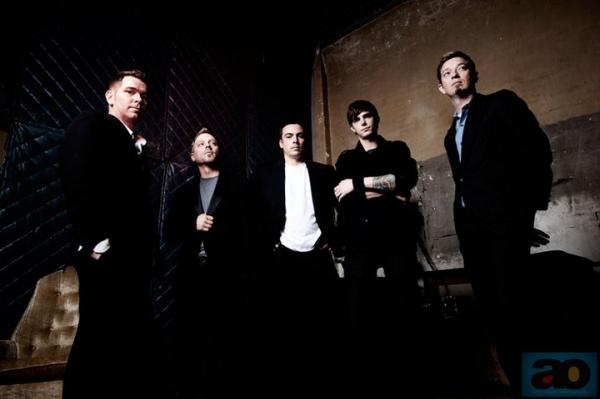
Cory Draper will be hosting a tribute to Wolfgang, with plenty of Parrish in the tracks tomorrow night at:

www.purerockradio.com
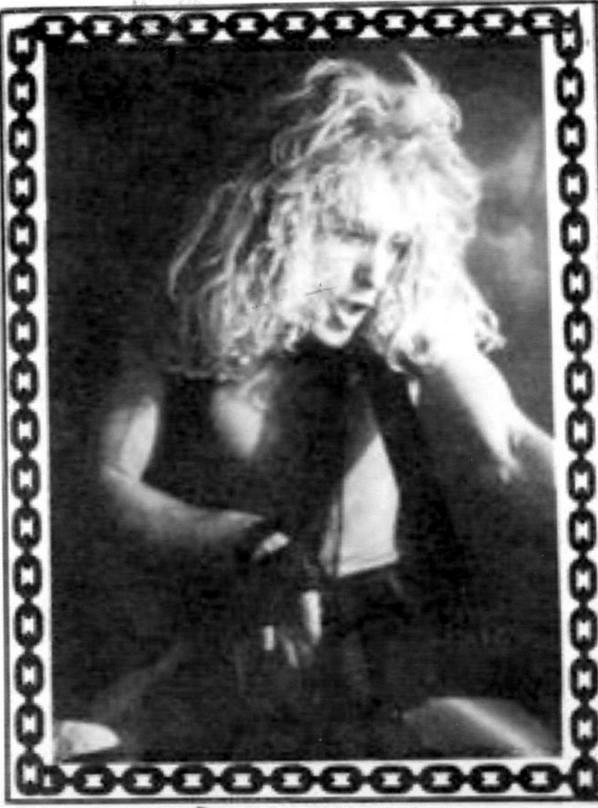
The show time will be from 8pm to 10pm Pacific time with former band members and other Rock Artists who knew Parrish from Salt Lake City calling in. 

Watch and listen for the Parrish story on the Wasatch front on KSL.

– Brad Hardisty, Nashville, TN     thenashvillebridge@hotmail.com